March in Champagne: When Spring Awakens the Vineyards

 
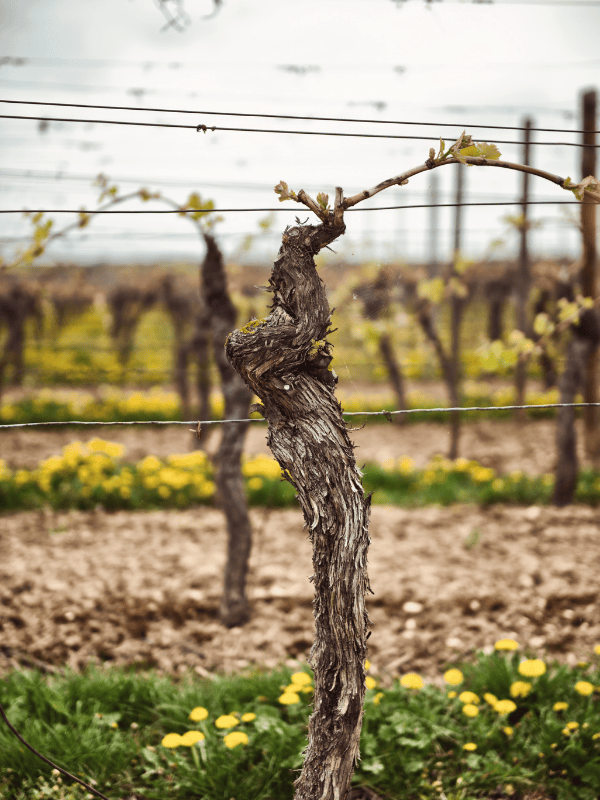
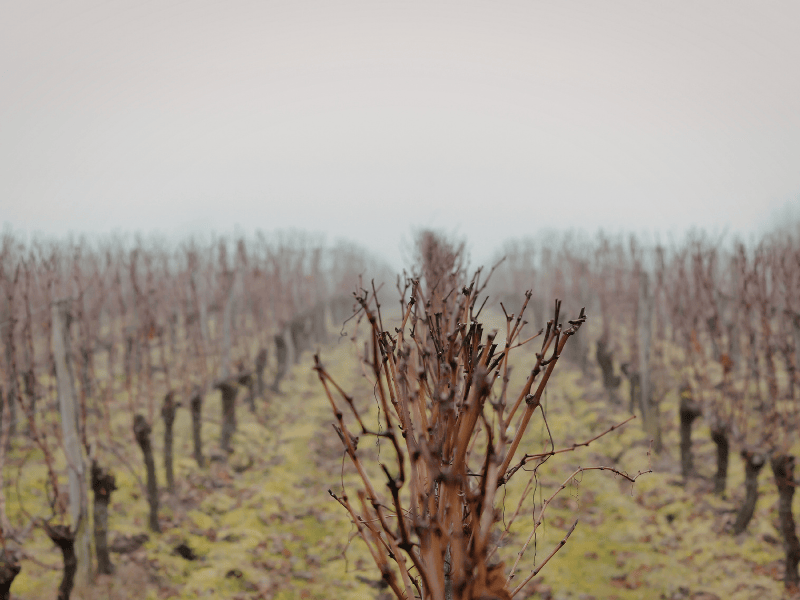
Dormant Vines in Champagne

A journey through the unique terroir that makes Champagne extraordinary

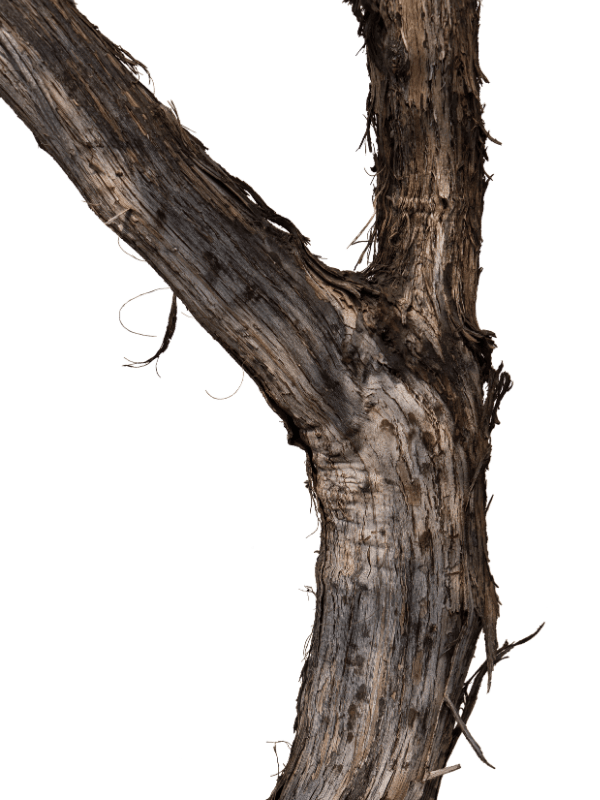
Vine Trunk

As March arrives in the rolling hills of Champagne, the landscape begins its annual transformation. Winter's stillness gradually yields to the first whispers of spring—a barely perceptible shift that vignerons recognize with quiet anticipation. The bare vines, dormant throughout the winter months, stand poised at the threshold of renewal. Beneath this season of awakening lies one of the wine world's most fascinating stories—a tale written in chalk, climate, and centuries of devoted cultivation. For those who call Champagne home, March is the pivot point, when winter's contemplation gives way to spring's promise.


The Unique Climate of Champagne: A Delicate Balance

Champagne occupies a singular position in the world of viticulture, situated at the northernmost reaches where quality wine grapes can thrive. At latitude 49° north—with Reims at 49°5' and Épernay at precisely 49°—the region sits precariously at the edge of viability for grape cultivation. Throughout the Northern Hemisphere, quality grapes become increasingly difficult to produce beyond the 50th parallel north, making Champagne a borderline territory where nature's challenges are met with human ingenuity.

What makes this region truly exceptional is its dual climatic influence, a phenomenon found nowhere else among French wine-producing regions. The vineyards experience a complex interplay between oceanic and continental weather systems, creating conditions that are both a blessing and a challenge for vignerons. The oceanic influence brings moderate temperatures throughout the year, preventing the extremes that would devastate the vines. Winters remain relatively mild, while summers avoid the scorching heat that can compromise grape quality. The average annual temperature hovers around 11°C, ideal for maintaining the delicate balance between sugar development and natural acidity that defines great Champagne.

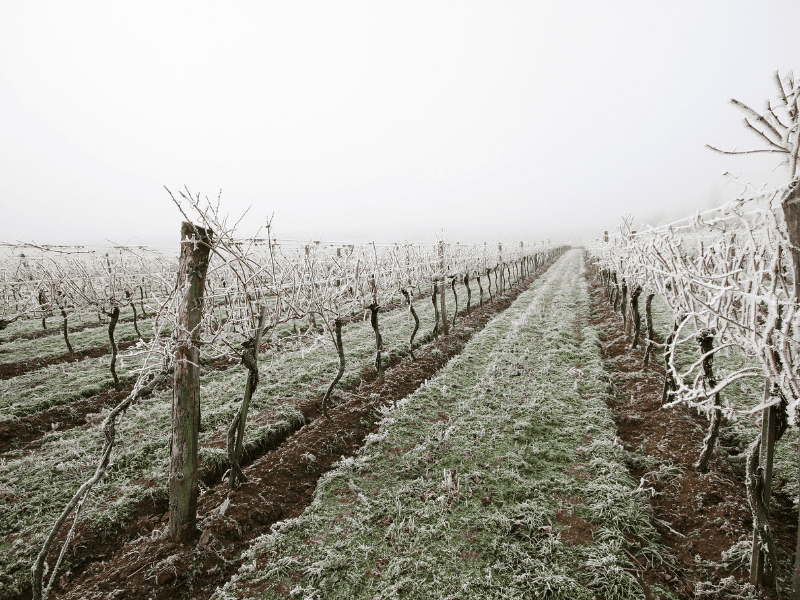
However, this temperate climate can be deceptive. The continental influence introduces an element of unpredictability and occasional severity. Late winter frosts in March can be particularly treacherous—just as the vines begin to stir from dormancy, sudden temperature drops pose devastating risks. Vignerons maintain constant vigilance during this transitional month, ready to deploy frost protection measures at a moment's notice. The weather patterns are mercurial: brilliant sunshine one day, snow flurries the next, then the soft promise of genuine warmth.

Frosty Vineyard

Yet these climatic challenges contribute directly to Champagne's exceptional quality. The region receives abundant sunshine during the critical growing months, allowing grape clusters to develop properly while maintaining their essential acidity. Rainfall is steady and moderate throughout the year—neither too scarce nor too abundant—providing what amounts to an almost ideal water supply. The vines are strategically planted on sloping hillsides to maximize their exposure to precious sunlight, ensuring that even in this marginal climate, grapes achieve full ripeness while retaining the bright acidity that makes Champagne sparkle.

 
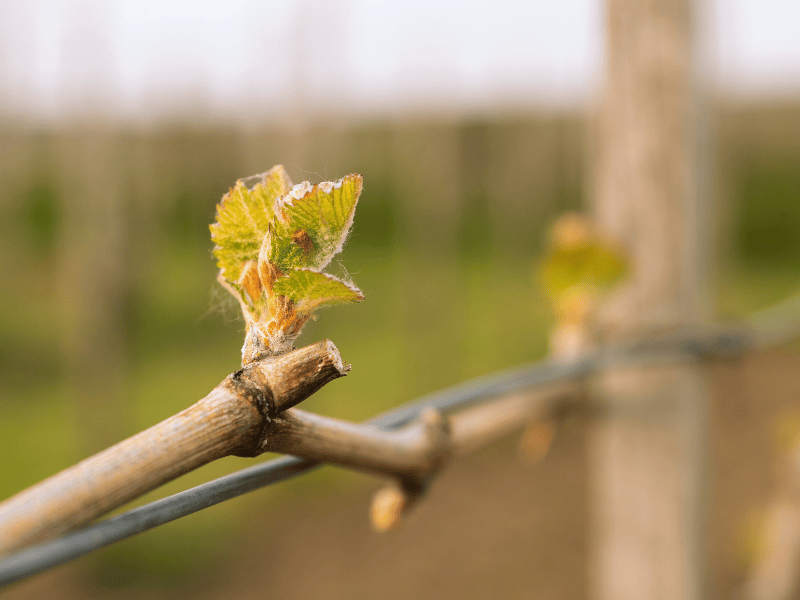
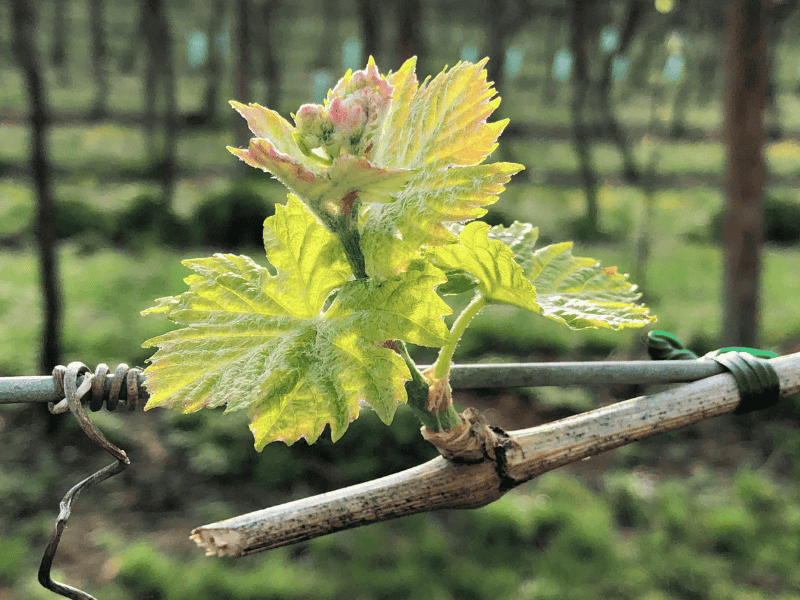
Vineyard Green Shoot
 
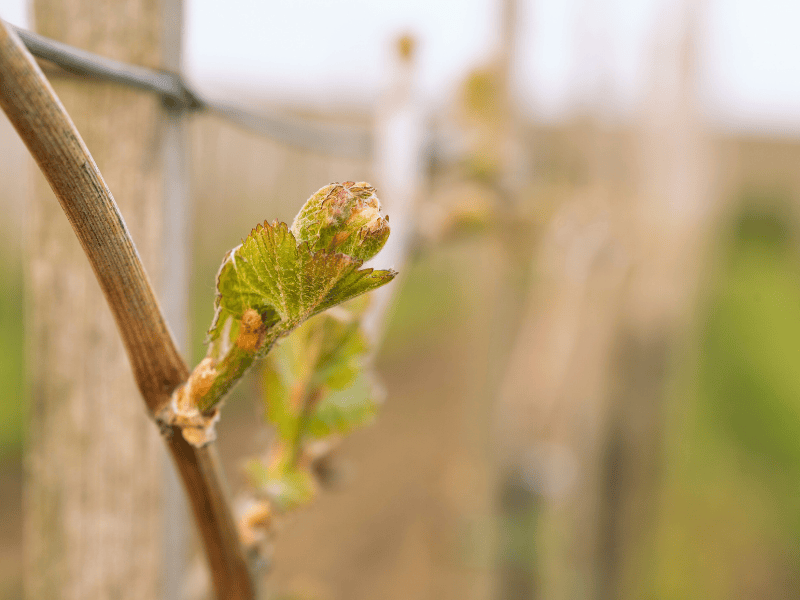
Vineyard Green Shoot
 

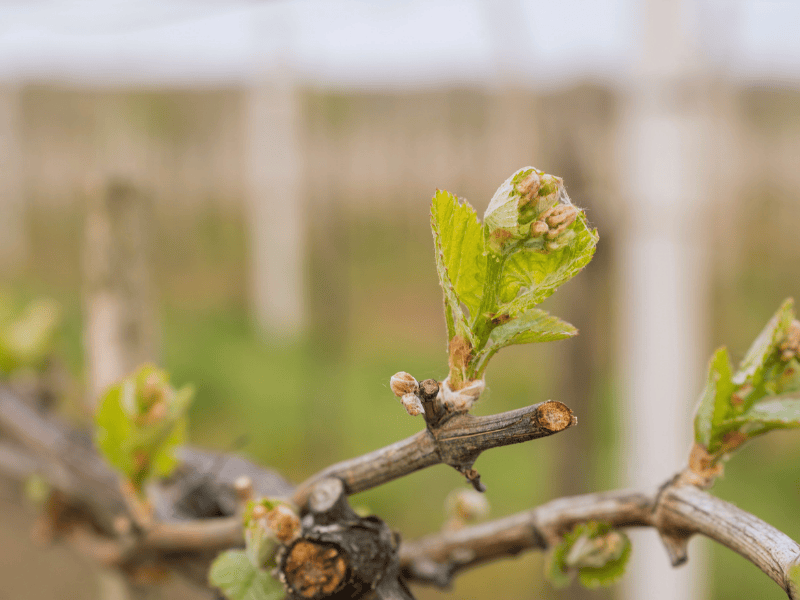
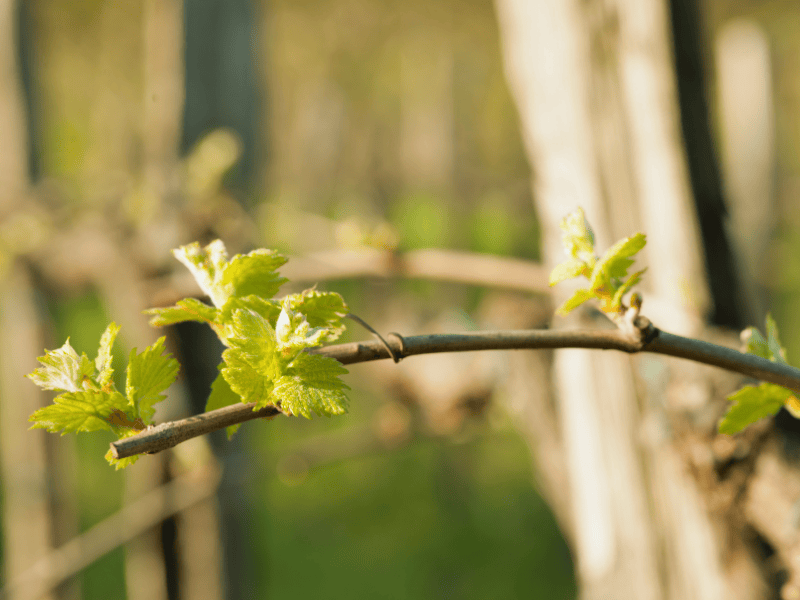
March embodies this climatic transition perfectly. The month begins with winter's lingering chill, frost still crystallizing on bare vines in the early mornings. Yet as the days progress, spring asserts itself: buds begin to swell, the earth softens, and pale green shoots emerge—the first visible signs of the growing season ahead. For the vignerons, March is a month of heightened attention, when the climate's dual nature demands both patience and readiness, when the vines' remarkable resilience becomes evident in their first tentative growth.


Beneath the Surface: The Geological Foundation of Excellence

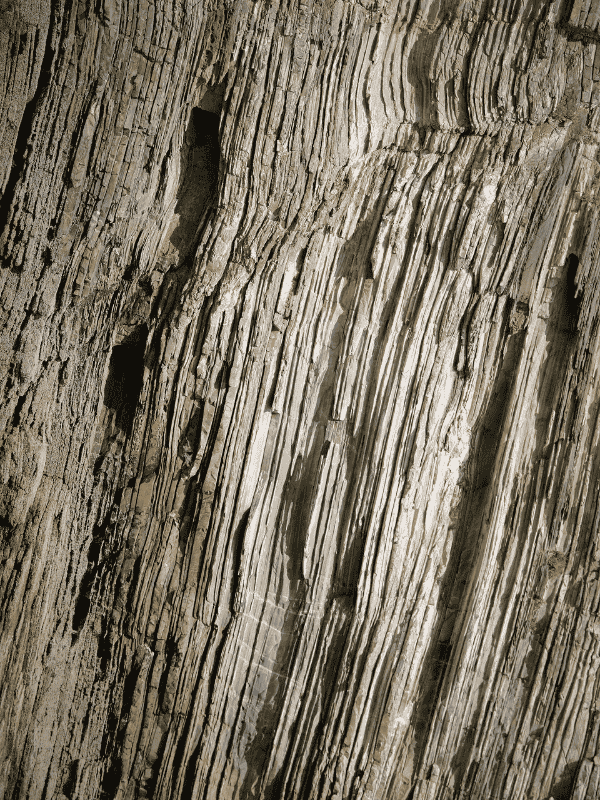
To understand Champagne is to journey 90 million years into the past, when vast oceans covered the land and the region's distinctive character was being written in stone. Over millennia, marine sediments—rock deposits tossed by ancient seas—settled on the ocean floor, accumulating in layers that reached heights of 200 meters. As eons passed and the Paris Basin gradually sank under the weight of these accumulated materials, different types of rock surfaced in successive geological strata.

Today, approximately 75% of Champagne's subsoil consists of sedimentary limestone, primarily composed of chalk, marl, and limestone proper. This geological composition is not merely an interesting historical footnote; it is fundamental to everything that makes Champagne distinctive. The chalk beneath the vineyards is composed of fragments of marine micro-organisms deposited millions of years ago, creating a unique material with extraordinary properties.

Limestone Cellar
Limestone Layers

The porosity of this chalky subsoil is perhaps its most significant characteristic. It provides excellent drainage, ensuring that vine roots never become waterlogged—a crucial factor in grape quality. As March brings increased rainfall and the last of winter's snow melts, the chalk allows excess water to drain away naturally, preventing the rot and disease that plague poorly drained vineyards. Yet this same chalk acts as a massive natural reservoir, capable of storing 300 to 400 litters of water per cubic meter.

Even more remarkably, chalk possesses the ability to draw water upward through capillary action. During the dry summer months ahead, when other vineyards might suffer from drought stress, Champagne's vines will access this stored moisture, naturally regulating their water consumption. This creates a controlled water stress during the growing season that proves ideal for wine quality, achieving that delicate balance of ripeness, acidity, and aromatic potential that defines exceptional Champagne.

In March, as the soil thaws and spring rains arrive, this hidden infrastructure awakens. The chalk begins actively storing moisture that will sustain the vines through the entire growing season. Beneath the warming surface, in the cool depths where winter's chill still lingers, the geological foundation of Champagne's greatness prepares to support another vintage.

The region's subsoil also shows fascinating variation across different areas, with some zones featuring more marl or hard limestone than others. These variations are far from random—they have directly influenced which grape varieties are planted were, creating Champagne's distinctive regional character.


The Three Noble Grapes and Their Perfect Homes

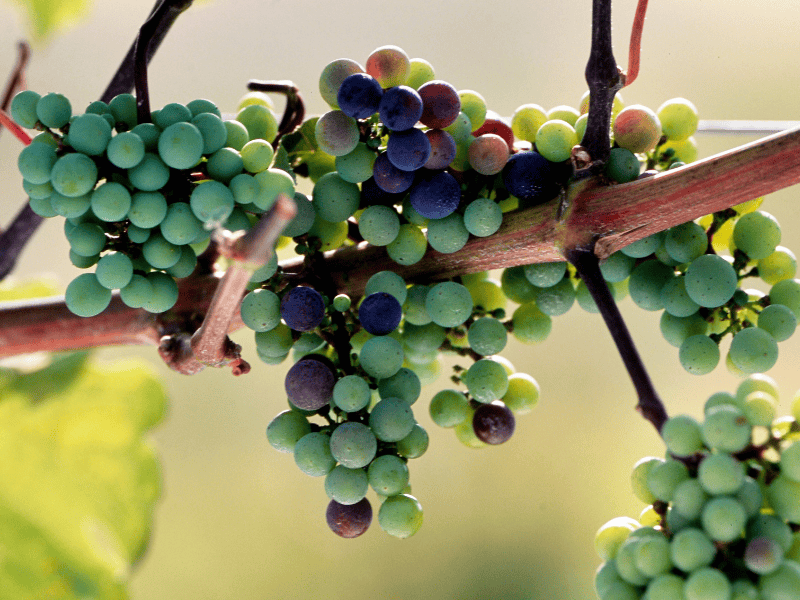
Chardonnay Grapes

Champagne's commitment to excellence is reflected in its disciplined focus on just three primary grape varieties, each matched to the soil that brings out its finest qualities. This careful pairing of grape and geology represents centuries of empirical knowledge refined into viticultural wisdom.

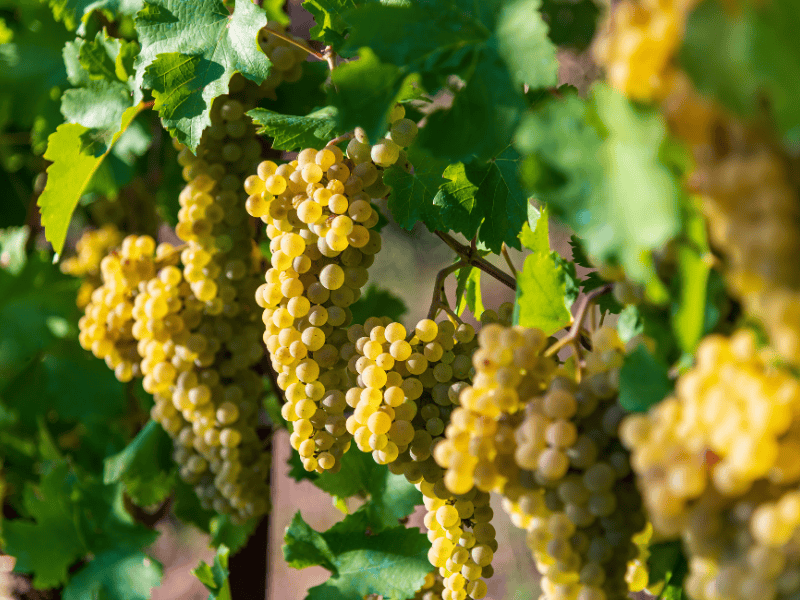
Chardonnay, the elegant white grape that brings finesse and minerality to Champagne, finds its ideal home in the Côte des Blancs and Côte de Sézanne. Here, the chalk reaches its purest expression, providing the perfect foundation for this delicate variety. The chalky soils impart a distinctive mineral character to Chardonnay, contributing to the precise, elegant wines that have made these regions legendary.

 
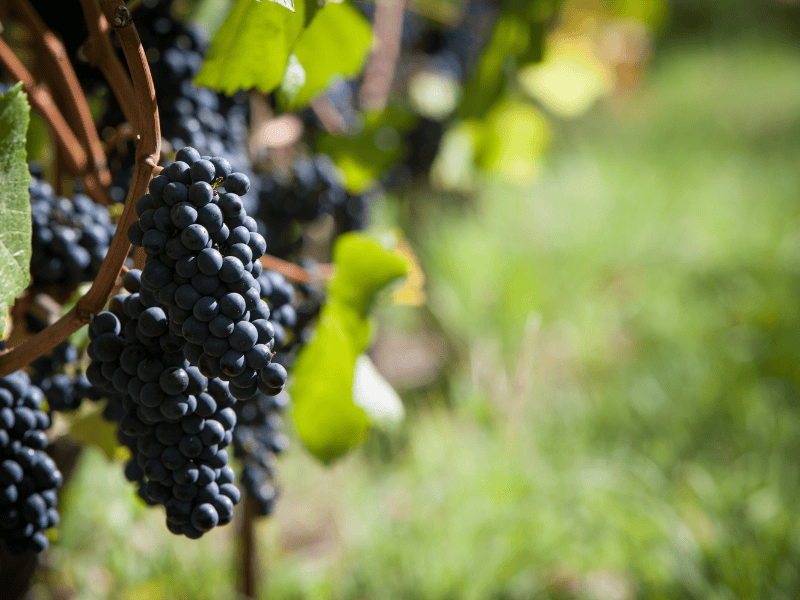
Pinot Noir Grapes

Pinot Noir, the noble red grape that provides structure and depth, thrives in the Montagne de Reims, the eastern Marne Valley, and the Côte des Bar. These areas feature slightly different soil compositions—still predominantly chalky, but with variations that suit Pinot Noir's more robust character. The resulting wines show the power and complexity that this variety can achieve when perfectly matched to its terroir.

 
Meunier  Grapes

Meunier, sometimes called the "workhorse" of Champagne but increasingly recognized for its unique qualities, dominates the western Marne Valley. This variety adapts well to cooler sites and slightly different soil types, contributing fruitiness and approachability to Champagne blends while ripening reliably even in challenging years.

This geographical distribution is not accidental but represents the culmination of generations of observation and experimentation. As March arrives and the vines prepare to break bud, this geological tapestry becomes even more significant—each variety responding to its specific terroir, each plot reflecting the unique combination of soil, slope, and microclimate that will shape the coming vintage.


March's Vital Work: The Season of Awakening

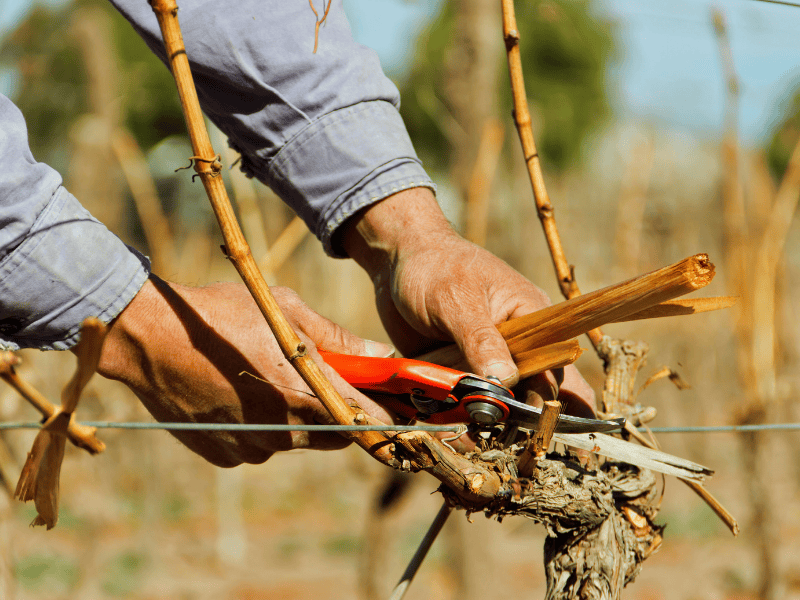
Vineyard Pruning

As winter yields to spring, March brings a surge of essential activity to Champagne's vineyards. This is the month when the year's potential truly takes shape, when decisions made and work completed will profoundly influence the quality and character of the harvest to come.

Completing Winter's Tasks: The final pruning must be finished before buds swell significantly. Vignerons move with quiet urgency through their parcels, making the last critical cuts that will determine each vine's productivity and fruit quality. This is precision work—removing excess wood, shaping the plant, ensuring optimal sap flow to the carefully selected buds that will produce this year's crop.

Preparing for Growth: As the soil warms and becomes workable, vineyard teams attend to essential maintenance. Trellising systems are inspected and repaired, ensuring vines will have proper support as new growth emerges. Posts that have shifted during winter frosts are straightened, wires are tensioned, and the entire infrastructure is prepared to guide the coming season's growth.

Vigilance Against Late Frosts: March's most critical concern is the threat of frost damage to emerging buds. Modern frost protection systems are tested and readied: wind machines that can mix air layers during dangerous temperature inversions, sprinkler systems that can coat tender shoots with protective ice, and mobile heaters that can be deployed at a moment's notice. Vignerons monitor weather forecasts obsessively, ready to spend sleepless nights in the vineyards if temperatures threaten to plummet.

Vineyard Green Shoot

Soil Management: As the earth thaws, attention turns to the soil itself. In Champagne's sustainable and organic vineyards, March is time for cover crops to be managed, bringing nitrogen and organic matter back into the soil. Compaction from winter work is addressed, ensuring the soil structure remains healthy for the active growing season ahead.

Anticipating Bud Break: The month's defining moment comes when buds swell and burst, revealing the first green shoots of the new vintage. This "débourrement" typically occurs in late March, though exact timing varies with weather conditions and grape variety. It marks the formal beginning of the growing season and signals the start of the vineyard's most labour-intensive months.

The work in March embodies the vigneron's dual role: artist and scientist, tradition-keeper and innovator. Every task completed now, every decision made, will echo through the months ahead, ultimately expressing itself in the glass.


Climate Change and the Adaptation of Tradition

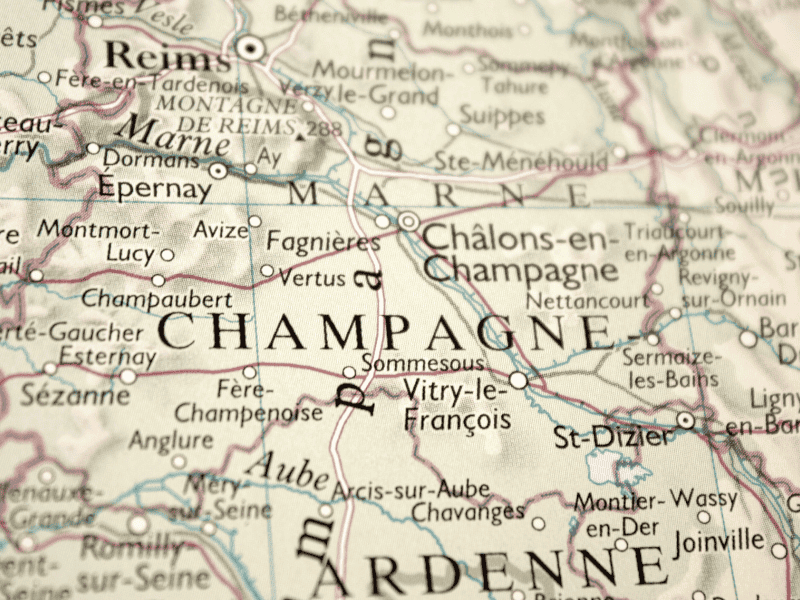
Map of Champagne Area

Champagne's marginal climate has always made viticulture here a delicate balancing act, but recent decades have introduced new challenges and opportunities. The region is experiencing measurable shifts in its weather patterns, with increasingly earlier bud break serving as one visible indicator of change. What once typically occurred in early April now often begins in late March, reflecting warmer spring temperatures and faster vine development.

The effects of climate change extend beyond phenological timing. The intensity and frequency of extreme weather events have increased, bringing both unprecedented spring heat waves and damaging late frosts. March weather has become more volatile swinging from unseasonably warm spells that encourage premature growth to sudden freezes that can devastate emerging buds.

Yet Champagne has never been a region to passively accept nature's challenges. The same marginal climate that creates difficulty has also fostered remarkable adaptability and innovation. For more than a century, Champagne's growers and houses have been developing tools and techniques to protect their vineyards against climatic variability, and this accumulated knowledge now proves invaluable as conditions evolve.

Modern climate management in the vineyards includes sophisticated frost protection systems, from wind machines that mix air layers during dangerous cold snaps to sprinkler systems that protect tender shoots with a coating of ice. Canopy management techniques are being refined to provide optimal sun exposure while protecting grapes from excessive heat later in the season. Water management strategies balance the need for controlled stress against the risks of drought.

Perhaps most significantly, research institutions and forward-thinking producers are investigating how Champagne's viticulture might evolve while maintaining the region's essential character. This includes studying alternative rootstocks better suited to new conditions, adjusting planting densities and orientations to optimize microclimates, and even cautiously exploring how climate shifts might allow for subtle changes in viticultural practices while preserving what makes Champagne unique.

March serves as a crucial testing ground for these adaptations. The month's weather increasingly requires vignerons to make difficult decisions: when to complete pruning to avoid frost risk while not delaying too long, how to manage early growth when temperatures fluctuate wildly, when to deploy expensive frost protection measures. The chalk beneath their feet remains constant, but the atmospheric patterns above continue to shift, demanding constant recalibration of centuries-old practices.


The Living Landscape: A Season of Renewal

Vineyard Green Shoot

To walk through Champagne's vineyards in March is to witness transformation. The austere beauty of winter gradually yields to spring's first hints of green. Bare vines that stood like dark sculptures against winter skies begin to show life—buds swelling, shoots emerging, the promise of foliage and fruit visible in miniature.

The landscape reveals its bones even as it begins to clothe itself again. The precise geometry of vineyard rows remains clear, but now softened by the first verdant growth. Villages of honey-coloured stone seem to emerge from hibernation, their church spires still punctuating the horizon but now set against skies that hold more light, more warmth, more promise. The forests that crown the highest hills show their own transformation, winter's stark branches beginning to blur with the haze of emerging leaves.

This is a cultural landscape as much as an agricultural one, shaped by generations of families whose lives have revolved around the demanding rhythm of viticulture. The relationship between place and people runs deep, with many estates passed down through multiple generations, each adding its own chapter to an ongoing story. In March, when winter's reflection gives way to spring's activity, this continuity becomes tangible in the vineyard work itself—ancient practices adapted to modern understanding, traditional wisdom applied to contemporary challenges.

The region's UNESCO World Heritage designation recognizes not just the wine itself but the entire cultural landscape that produces it—the vineyards, the villages, the cellars carved deep into the chalk, the centuries of accumulated knowledge. March offers a unique view of this landscape in transition, revealing both the enduring foundation and the constant renewal that characterizes Champagne.

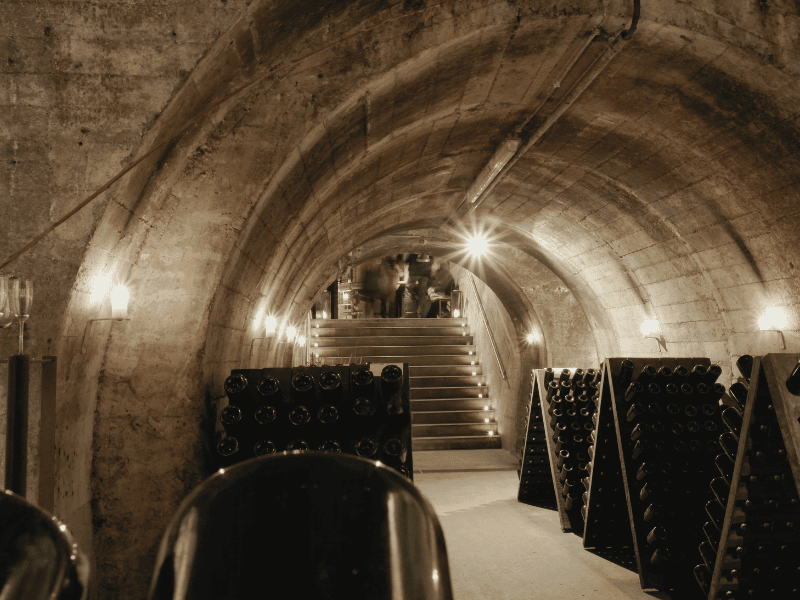
The chalk that defines Champagne's subsoil also shapes its built environment. Many of the region's cellars—some extending for kilometres beneath the earth—were excavated from the same chalk formation that feeds the vines above. These crayères, as they are known, maintain a constant cool temperature ideal for aging wine, their walls made from the same ancient marine sediments that give the grapes their distinctive character. In March, while the vineyards above awaken to spring, the previous year's wines continue their quiet development in these underground cathedrals, slowly gaining the complexity that will eventually reach the glass.


March's Promise: From Dormancy to Growth

As March progresses, the Champagne landscape undergoes its annual metamorphosis. Days lengthen noticeably. The sun, gaining strength with each passing week, warms the earth and coaxes life from dormant vines. The frozen ground of winter gives way to soft soil, ready to nurture another season's growth. These shifts herald more than just seasonal change—they mark the beginning of the year's most critical work.

For the vignerons of Champagne, March represents both transition and commitment. The contemplative pace of winter gives way to spring's demands. The essential work of pruning reaches completion just as bud break begins. Soon enough, shoots will extend rapidly, and the intensive labour of canopy management will commence. But this moment, when potential transforms into actuality when dormancy yields to growth, holds particular significance.

The terroir of Champagne—that untranslatable synthesis of climate, soil, topography, and tradition—reveals itself differently in March than in any other month. The dual climatic influences that make the region both challenging and ideal stand at their most dynamic. The chalky subsoil awakens from winter's pause, beginning its crucial work of moisture regulation. The careful matching of grape varieties to specific soils manifests in subtle differences in bud break timing and vigour. And the vignerons, armed with centuries of accumulated wisdom and modern understanding, begin to guide another vintage from dormancy toward fruition.

This is Champagne in March: a landscape of kinetic energy, where every element of the unique terroir activates to contribute to wines of exceptional quality and distinctive character. The emerging green of new growth against winter's lingering browns and greys, the chalk beneath storing and releasing moisture with perfect timing, the bare vines clothing themselves in the season's first leaves—all embody the remarkable convergence of natural and human factors that makes this region unique in the world of wine.

For those fortunate enough to call Champagne home, or to visit during this season of renewal, March offers insights unavailable at any other time. It is the moment when theory becomes practice, when the foundation laid during winter's rest transforms into tangible growth. It is a time to witness the vineyard's awakening, to see first-hand how geology, climate, and careful cultivation combine to create the conditions for greatness.

And it is a time to remember that great wine begins not with harvest or fermentation, but with terroir—with the patient interaction of geology, climate, and human dedication that defines Champagne as surely as the bubbles that will eventually rise in the glass. March may be the month of transition in the Champagne vineyard, but it is also when the year's promise becomes visible, when the terroir's voice shifts from whisper to song.
 

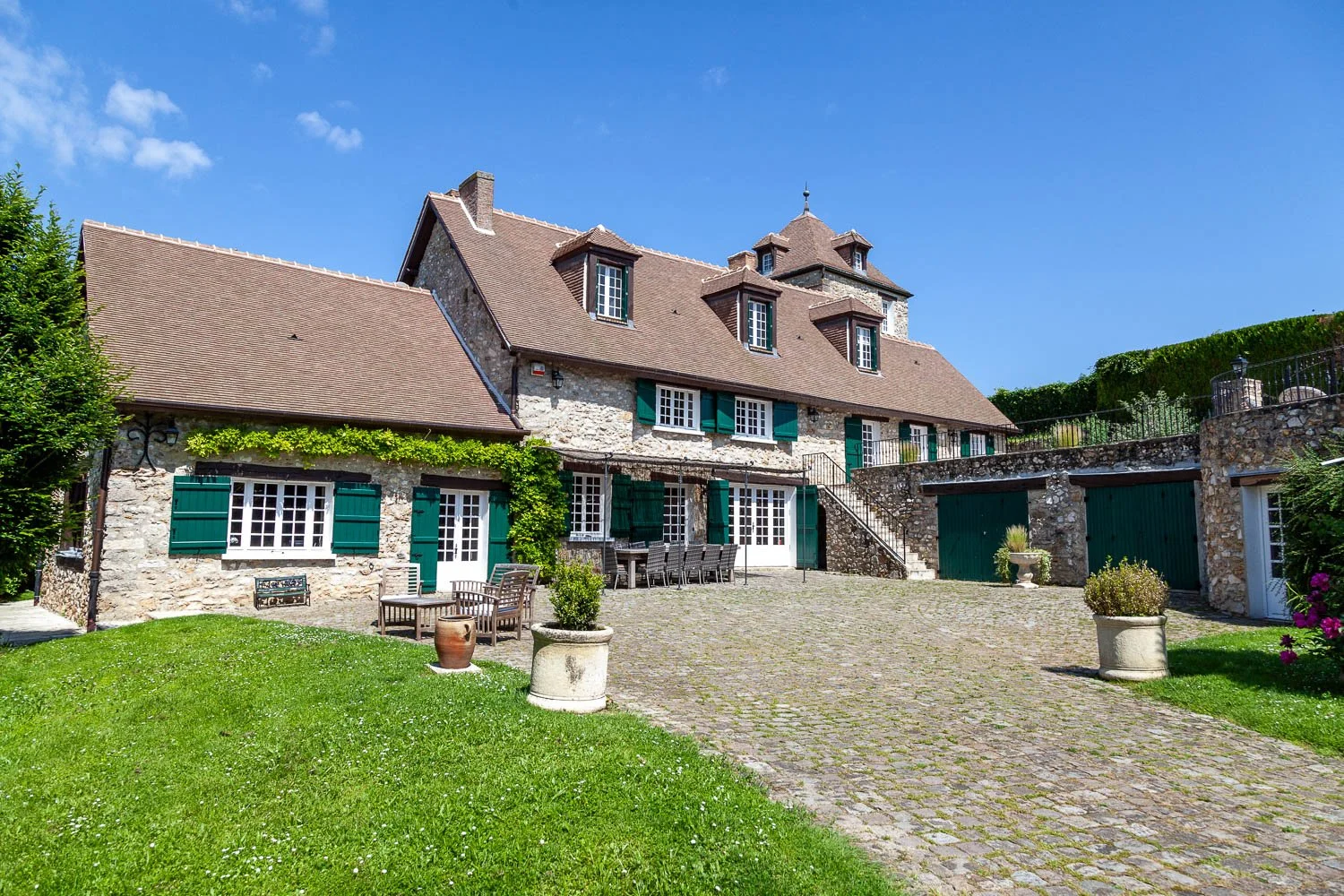
As you settle into your Maison Vejoll property this March, take a moment to observe the transformation unfolding around you. The vines awakening from winter's sleep, the soil warming and softening, the first hints of green against the landscape—these are the visible expressions of a terroir millions of years in the making. This is Champagne at its most hopeful, revealing the annual miracle of renewal that makes each vintage possible.

Maison Vejoll in Champagne - Monthurel
 
Next
Next

An Ode to Romance in the Heart of Champagne