Beyond the Cellars: Discovering Champagne's Hidden Autumn Treasures


The harvest celebrations have quieted, the last grapes have been pressed, and Champagne enters one of its most enchanting seasons. November in our region is not about what has ended, but what is beginning—a time when the veil between the celebrated and the secret lifts, revealing experiences that only those who venture beyond the cellar doors will discover.

From your base at Maison Vejoll, this is the month when Champagne transforms into something altogether different. The tourist coaches have departed, the winemakers have time to breathe, and the region's authentic rhythms emerge. This is when you can truly live like a local, experiencing traditions that have shaped this landscape for centuries.

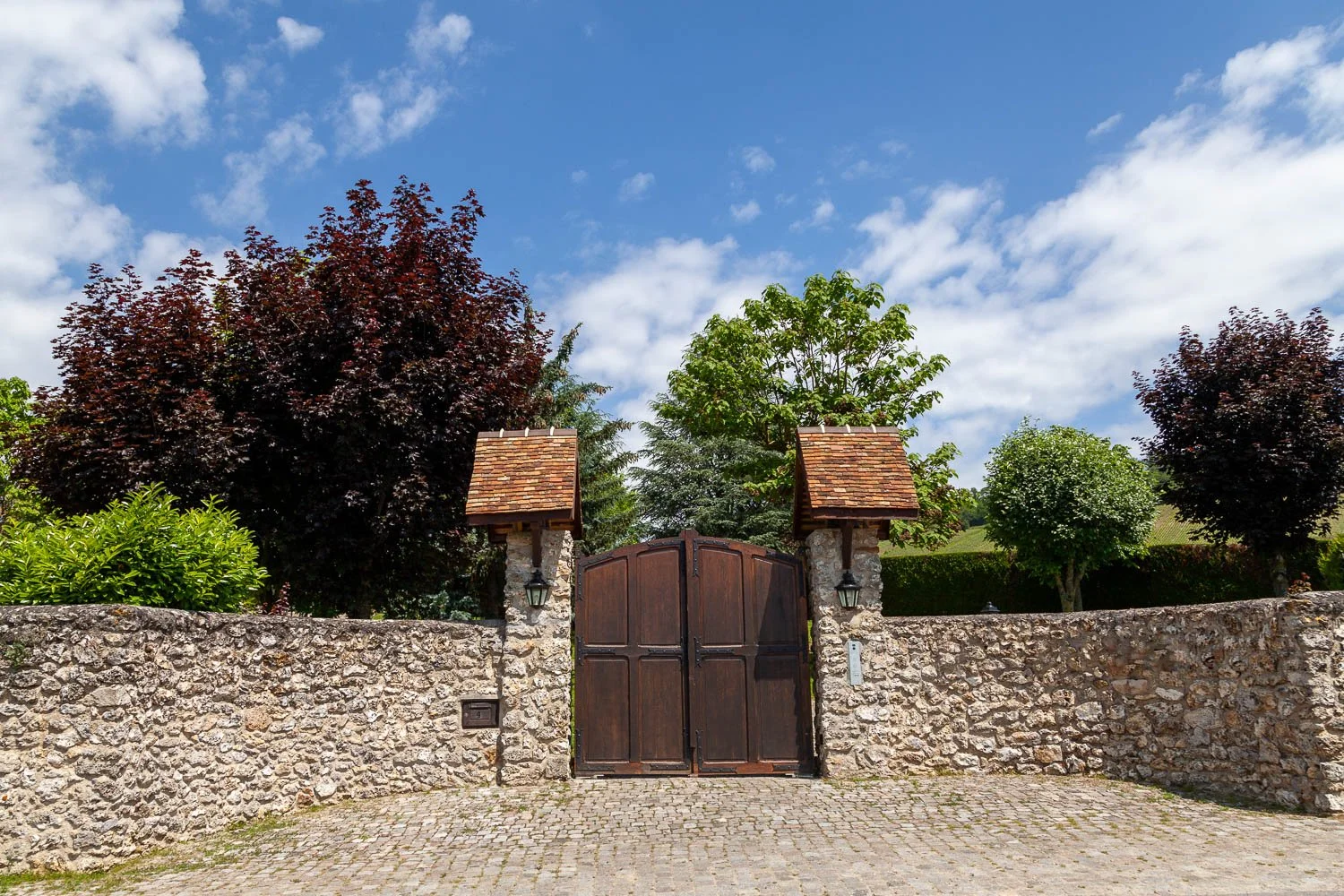
Maison Vejoll Entrance
 

The Black Gold of Champagne Woods

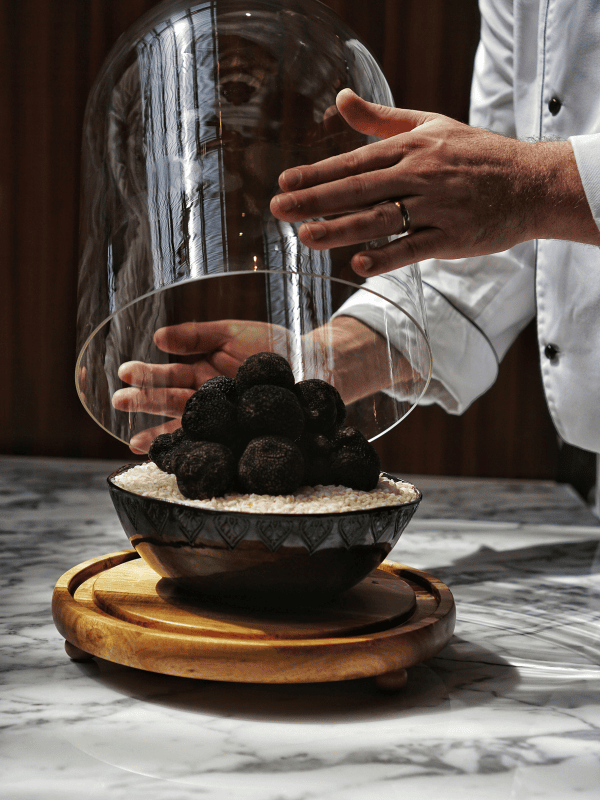
Truffles

Long before champagne bubbles became the region's most famous treasure, another "black gold" was coveted in these forests—the Champagne truffle. From October through December, the chalky soils and ancient woodlands of the Aube department become hunting grounds for one of gastronomy's most prized ingredients.

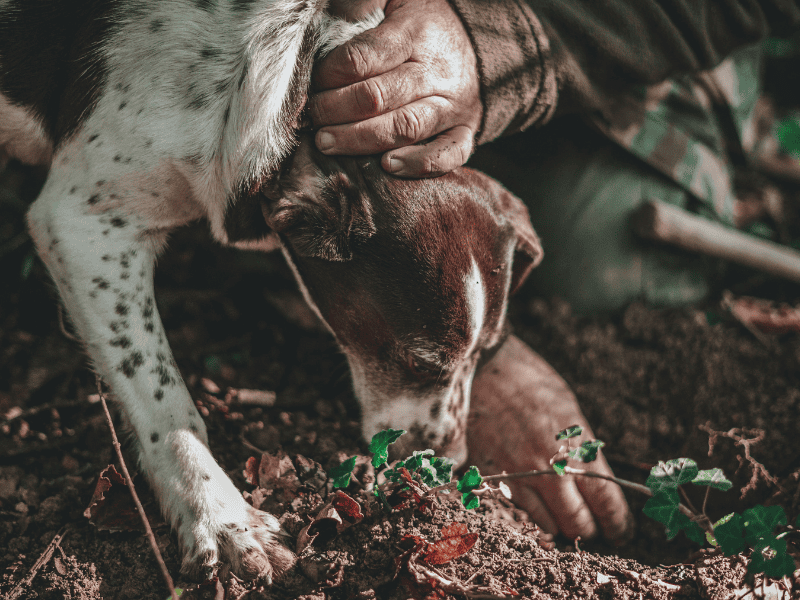
Truffle hunting in Champagne is nothing like the grand, commercial operations of Périgord or Tuscany. Here, it remains intimate and authentic. You'll venture into the woods with a local truffle expert and Pino, a specially trained dog whose nose is worth its weight in—well, truffles. The experience is as much about understanding the delicate ecosystem that produces these mysterious fungi as it is about the hunt itself.

Truffle hunt booking idea

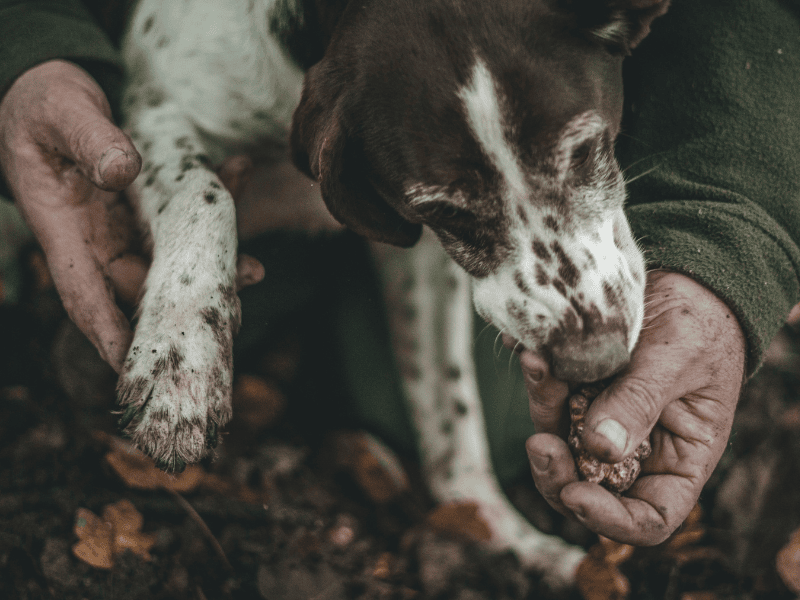
Watching the dog work is mesmerizing. His excitement builds as he catches the scent, his paws working furiously at the forest floor. When he uncovers a truffle, there's a moment of pure magic—this gnarled, earth-covered jewel that has been quietly growing beneath your feet, sometimes for years. The truffle expert will explain what you're seeing: the symbiotic relationship between specific trees and fungi, why the Champagne terroir produces its particular variety, and how climate and season affect the harvest.

dog digging truffles

The experience culminates in the most civilized way possible—back in a tasting room, where your morning's discoveries are transformed into delicate bites paired with champagne. The earthy, umami intensity of fresh truffle finds its perfect match in the mineral brightness of a blanc de blancs. It's a pairing that speaks to everything Champagne represents: luxury grounded in the land, sophistication born from soil.

For guests staying at Maison Vejoll, this activity offers the perfect November morning. Depart after breakfast for the short drive to the Aube forests, spend several hours immersed in nature and tradition, and return to the house by early afternoon with stories to tell over dinner—and perhaps a few extra truffles to enhance your evening meal.


Where Thousands Gather on Ancient Wings

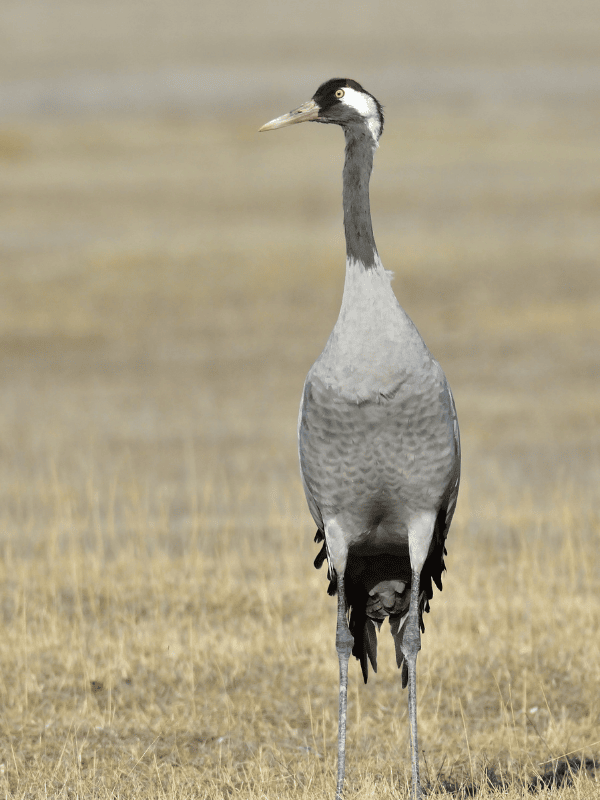
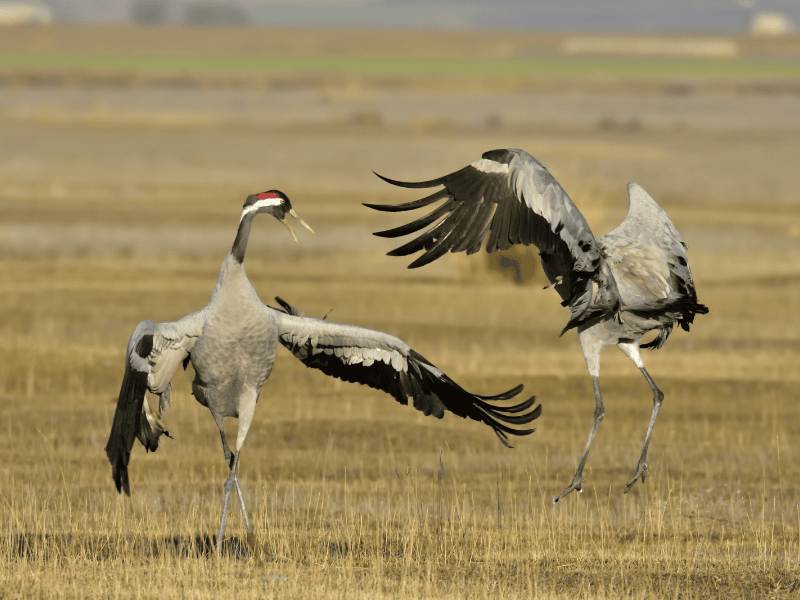
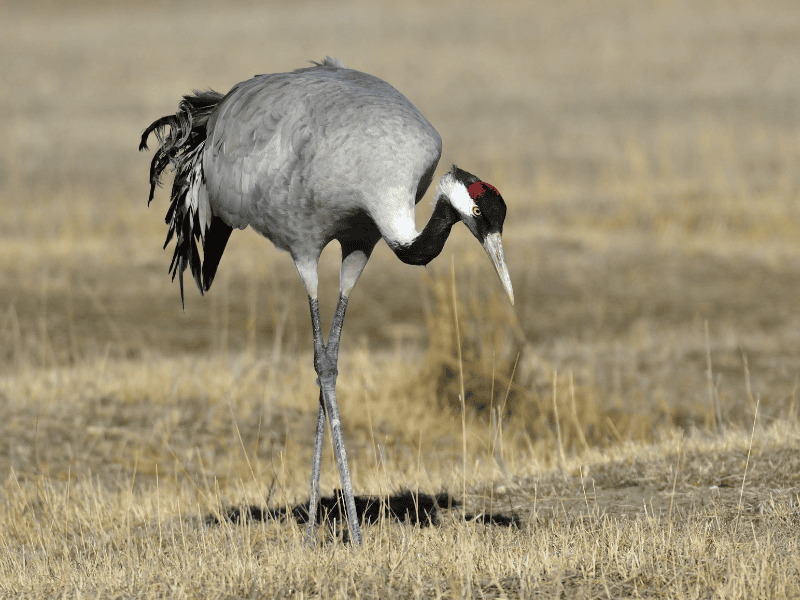
Just thirty minutes from Maison Vejoll lies one of Europe's most spectacular natural phenomena, yet it remains largely unknown outside birding circles. Lac du Der, one of the continent's largest reservoirs, becomes home each November to tens of thousands of Common Cranes on their migration from Scandinavia to Spain and North Africa.

Common Crane
Common Cranes
Common Crane

The spectacle begins at dawn and dusk. As the sun rises over the misty lake, the cranes lift off in waves—hundreds, then thousands of birds, their distinctive trumpeting calls echoing across the water as they fly to feeding grounds in the surrounding fields. At sunset, the process reverses, creating one of nature's most stirring performances.

But Lac du Der is far more than a crane sanctuary. This 4,800-hectare expanse of water and wetland hosts more than 200 bird species throughout the year. November visitors might spot Taiga Bean Geese, Barnacle Geese, White-tailed Eagles, and Bewick's Swans among the autumn residents. The lake's mudflats and marshes also shelter 45 species of dragonflies, 20 species of amphibians, and an incredible diversity of plant life.

What makes birding at Lac du Der particularly appealing is its accessibility. The terrain is flat and easy to navigate, with numerous viewing platforms and hides strategically positioned around the lake. You can explore by car, stopping at various points along the dykes, or cycle the peaceful paths that circle the water.

For non-birders, Lac du Der offers something equally valuable: peace. In November, you might have entire stretches of shoreline to yourself. The light at this time of year is extraordinary—soft and golden, perfect for photography or simply contemplation. Pack a thermos of coffee, bring a good book, and settle into one of the viewing areas. Even if you can't tell a crane from a goose, the experience of being surrounded by such abundant wildlife, in such vast open space, is profoundly restorative.

The drive from Maison Vejoll takes you through beautiful countryside, past villages and vineyards, through the edge of the Montagne de Reims Natural Park. Make it a full day excursion: sunrise crane flight, late breakfast at a lakeside café, an afternoon walks along the water, and return to the house in time for aperitifs as the sun sets over your private park.


Following the Lantern Through History

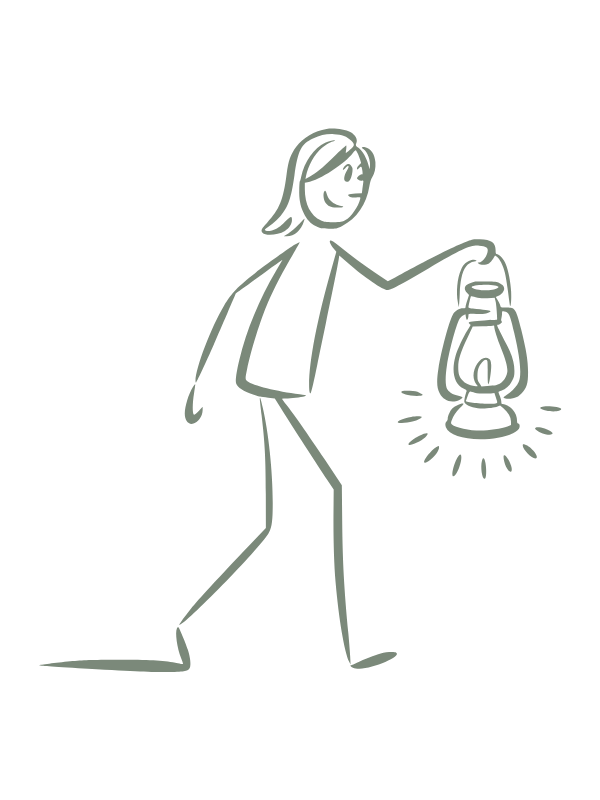
There's something about lantern light that immediately transports us to another era. When darkness falls over Hautvillers in November, and your guide lights the traditional lantern that will lead your small group through the village streets, you step into a Champagne that has existed for centuries.

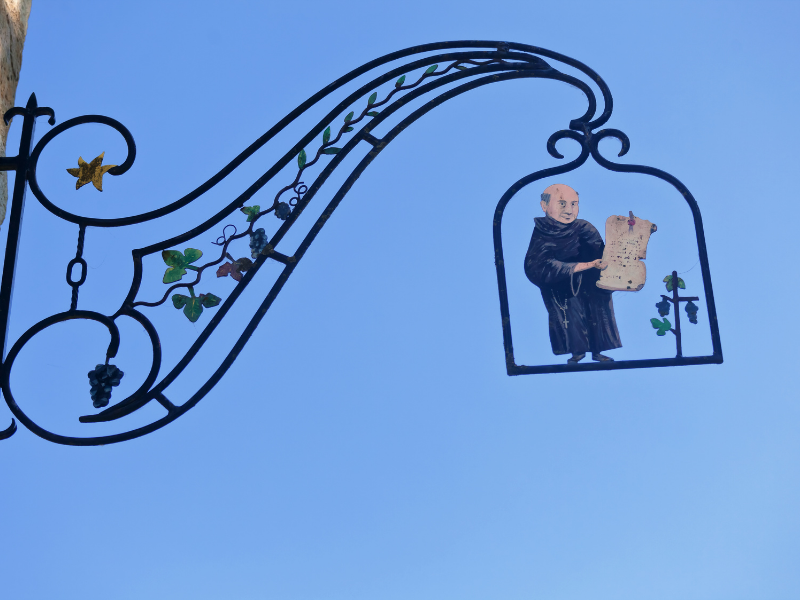
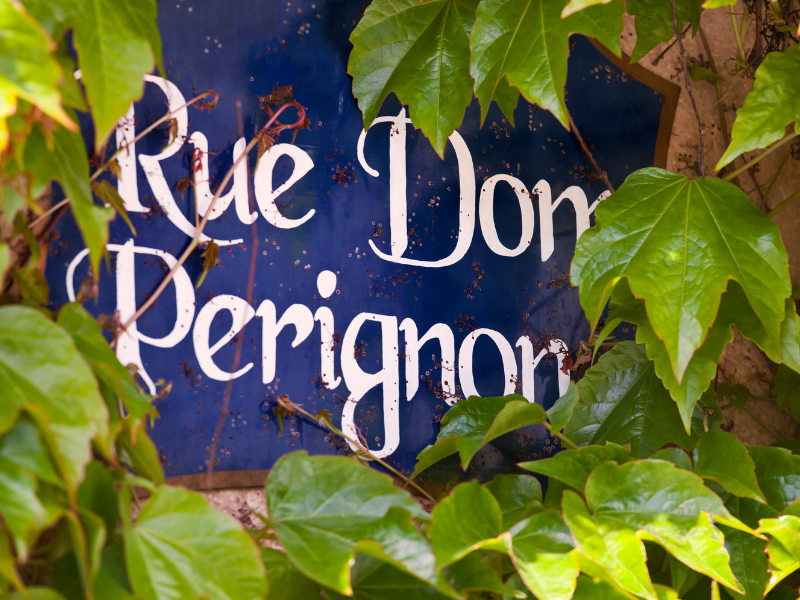
Hautvillers holds a special place in champagne history. This is where Dom Pérignon, the Benedictine monk who became the "spiritual father of Champagne," perfected the art of blending grapes from different vineyards to create superior wines. While he didn't actually invent champagne—that's a persistent myth—his innovations in winemaking and quality control laid the foundation for the region's eventual greatness.

Dom Perignon
Dom Perignon

The lantern-lit walk brings this history alive in ways that daylight tours cannot. Your guide leads you through narrow cobblestoned streets, past the iron-wrought signs that decorate nearly every house (each telling its own story), to the Abbey where Dom Pérignon lived and worked. In the soft glow of lanterns, with November mist curling through the streets, it's easy to imagine monks walking these same paths three centuries ago, tending their precious vineyards on the slopes below.

 
Lantern-lit walk

The tour reveals layers of history: the Abbey's architectural evolution, the village's role in champagne's development, local legends and traditions that have shaped the community. Your guide will point out details easily missed in daylight—carved stone ornaments, ancient doorways, the subtle signs of how the village adapted as champagne production evolved from monastic enterprise to commercial industry.

What makes November particularly special for this experience is the atmosphere. Summer's lantern tours are charming but busy. In November, you might find yourself in a group of just four or five, with a guide who has time to answer every question, to linger over details, to share the deeper stories. The cold adds its own magic—there's something about gathering close around that lantern's warmth that creates instant camaraderie among strangers.

The tours are offered in both French and English, making them accessible to international guests. They last about an hour, ending near the Abbey where you can pause to take in the view over the vineyards before returning to your car. From Maison Vejoll, Hautvillers is a mere fifteen-minute drive—close enough to visit on a whim, perhaps after an early dinner at the house, turning an ordinary evening into something memorable.

Book your tour

 
Markets

Markets: The Heart of Champagne Life

If you want to understand what life in Champagne truly tastes like, you need to visit the markets. Not the tourist-oriented summer markets, but November's authentic weekly gatherings where locals shop, gossip, and maintain traditions that predate champagne itself.

The covered market at Halle Saint-Thibault in Épernay is perhaps the most atmospheric. Every Wednesday and Saturday morning, this beautiful 19th-century structure fills with vendors selling everything from farm-fresh vegetables to local cheeses, fish trucked in from coastal ports, and meats from nearby farms. The light filters through the iron and glass roof, vendors call out their specials, and the air fills with competing aromas—ripe cheese, fresh bread, roasting chicken from the rôtisserie.

What distinguishes these markets from generic farmers' markets is their integration into daily life. These aren't lifestyle experiences; they're how people actually shop. You'll stand in line behind elderly women who know every vendor by name, who squeeze melons with expert hands, who debate the merits of different potato varieties with passionate intensity. The vendors are equally knowledgeable—ask the cheesemonger about a particular Chaource or Langres, and you'll get a fifteen-minute discourse on aging, production methods, and the best way to serve it.

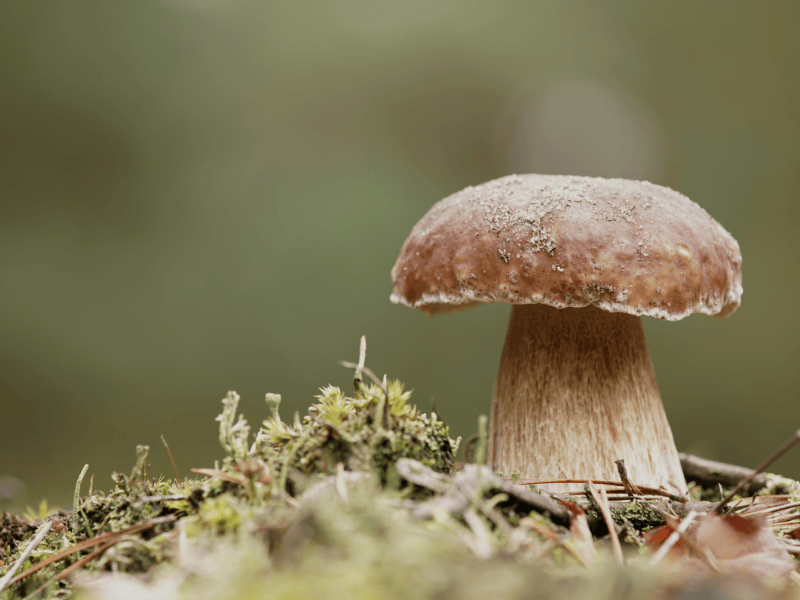
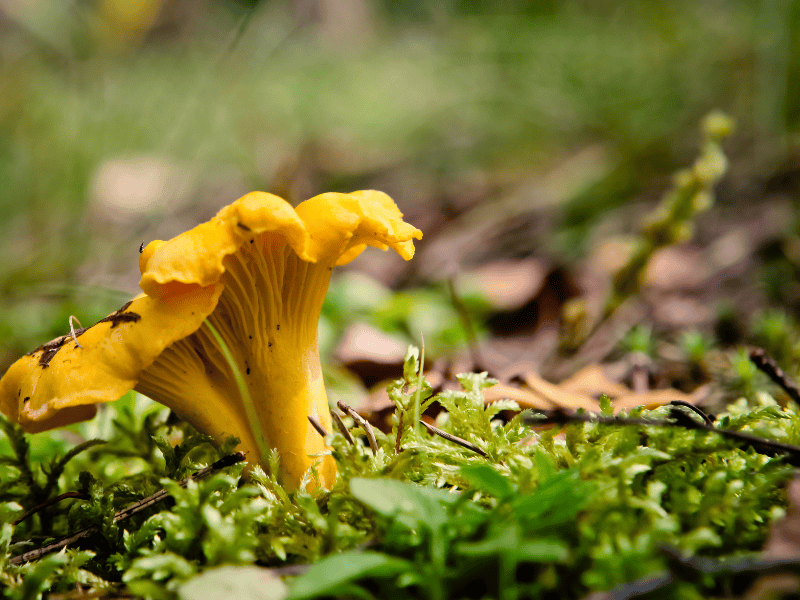
November is mushroom season, and market stalls overflow with varieties you'll rarely see in supermarkets: cèpes, girolles, pieds de mouton, and if you're very lucky, those precious truffles from the Aube forests. Root vegetables are at their peak—turnips, parsnips, celeriac, and countless varieties of squash. Chestnuts appear roasted or fresh. Game season is in full swing, with pheasant, duck, and venison available from specialized vendors.

*Halle Saint-Thibault in Épernay : 2 Pl. René Cassin, 51200 Épernay, France
Porcini
Chanterelles

The Sunday morning market at Place Auban-Moët takes over an entire square, with dozens of vendors selling not just food but clothing, household goods, and flowers. It's more sprawling, more chaotic, and wonderfully lively. Pick up a rotisserie chicken for Sunday lunch, still warm and fragrant with herbs. Buy flowers for the house. Sample olives and cured meats. This is where you'll find some of Épernay's best people-watching—families making their weekly rounds, couples deciding on dinner plans, children begging for sweet crêpes from the mobile stand.

For a quieter, more intimate experience, venture to the smaller markets in surrounding villages. Avize's Friday morning market is compact but excellent, with particularly good fruit and vegetable vendors. Vertus on Tuesday morning offers a charming blend of producers selling directly from their farms. These village markets move more slowly, have more time for conversation, for learning the stories behind the produce.

*Fridays from 8am to 1pm
Place Léon Bourgeois 51190 Avize

Mid-November brings the Foire de la Saint-Martin to Châlons-en-Champagne. This traditional fair takes over several streets and squares, blending market stalls with carnival atmosphere. While not purely culinary, it's a wonderful slice of local life, mixing food vendors with clothing sellers, home goods, and seasonal decorations. It's particularly fun if you have children or teenagers in your group—there's enough variety to keep everyone engaged.

*Avenue Leclerc, Rue Thomas Martin et Place République, 51000 Châlons-en-Champagne
16 November 2025 - 08:00 am to 18:00 pm

From Maison Vejoll, you can easily visit different markets throughout the week. Wednesday morning at Épernay's Halle Saint-Thibault, Friday in Avize, Saturday back to Épernay or Sunday to Place Auban-Moët. Stock the house's kitchen with the best of the region: local cheeses, seasonal vegetables, artisan bread, perhaps some game or fish to prepare for dinner. The house's spacious kitchen and dining areas are perfect for creating meals from market finds, opening bottles from local producers, and turning cooking into a shared experience.


The Art of November Dining

All these experiences point toward one of November's greatest pleasures in Champagne: the table. This is the season when Champagne's cuisine comes into its own, when the emphasis shifts from light summer dishes to the rich, warming preparations that showcase autumn's harvest.

Local restaurants embrace game season with enthusiasm. Wild boar, venison, and pheasant appear on menus, often prepared with champagne-based sauces that marry the region's two greatest products. Freshwater fish from local streams gets paired with mushrooms and cream. Root vegetables are roasted, pureed, or transformed into velvety soups.

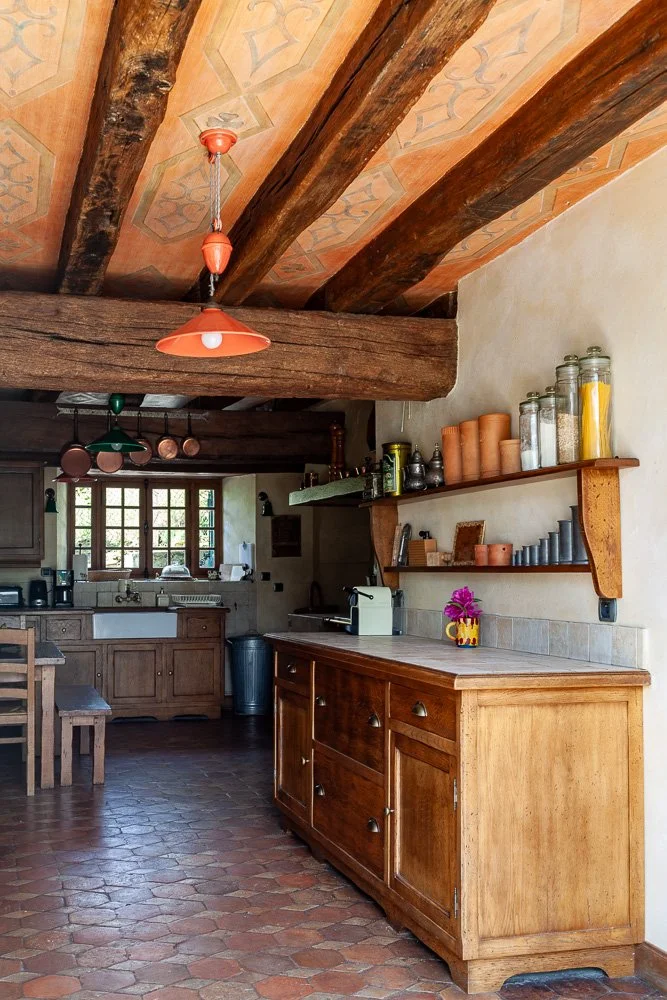
Maison Vejoll - Kitchen

But some of the most memorable meals happen at home—or rather, at your temporary home at Maison Vejoll. After a morning at the market or a truffle hunting expedition, after watching cranes at Lac du Der or wandering through Hautvillers by lantern light, there's deep satisfaction in returning to the house's warm kitchen to prepare dinner together.

This is where the house's design reveals its wisdom. The kitchen flows into the dining area, which opens to the salon, creating a space where cooking is social, where meal preparation becomes part of the entertainment. Someone tends the stove while others set the table, open wine, light candles. The park beyond the windows fades into November darkness, making the house's interior all the more inviting.

November dishes practically cook themselves. A simple pot-au-feu—that classic French beef stew—simmers for hours, filling the house with its aroma. Roasted vegetables require little more than olive oil and sea salt. A good cheese board needs only careful selection at the market and time to come to room temperature. And of course, there's champagne—not the fancy vintage bottles saved for celebrations, but good grower champagne from small producers, the kind you open because it's Tuesday and you're happy to be here.


Living the November Rhythm

What all these experiences share is a particular quality of attention. November in Champagne invites you to slow down, to notice details, to engage more deeply with place and moment. The urgency of summer travel dissolves. You're not rushing to tick off tourist sites; you're settling into the region's natural rhythms.

 
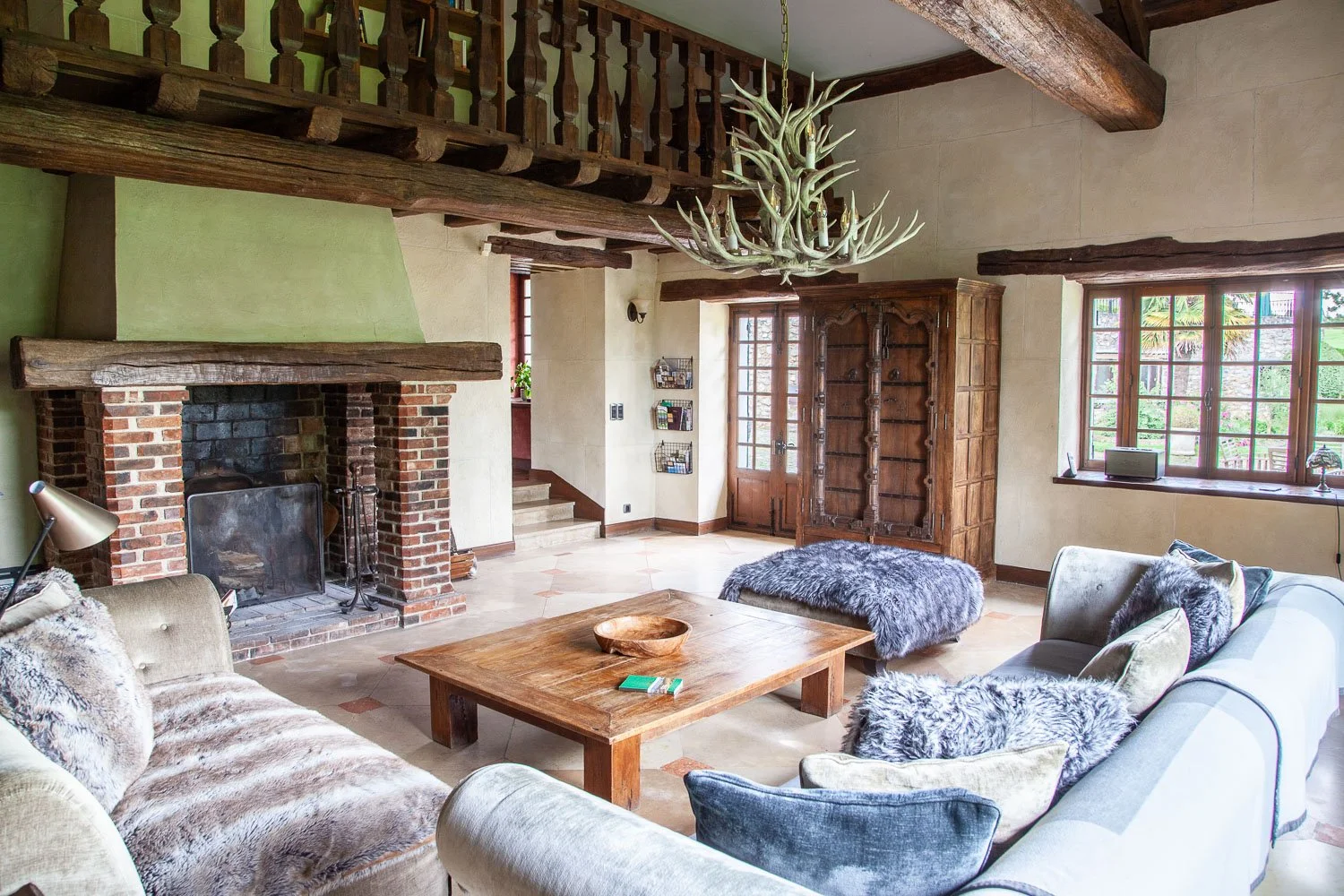
Maison Vejoll - Living Room

Mornings might begin with coffee on the terrace if weather permits, watching mist lift from the park. Or curled up in the salon with a book, in no hurry to start the day. When you do venture out—for markets, truffle hunting, the lake, the lantern walk—you move at a pace that allows for spontaneous detours, for stopping at a village bakery, for pulling over when the light on the vineyards looks particularly beautiful.

Afternoons can disappear into pleasant nothingness: a walk in the park, a game of tennis if you're feeling energetic, reading in the library corner, perhaps a nap. This is luxury's truest form—not activities packed into every hour, but time stretched out, available for whatever arises.

Maison Vejoll - Mezzanine
Maison Vejoll - Playroom

Evenings become the day's crescendo. The house's living spaces are designed for gathering, for conversation that wanders from topic to topic, for board games or cards, for music. The dining table comfortably seats ten, perfect for long meals where courses are interspersed with laughter, debates, stories. When dinner finally ends, some might migrate to the salon, others to the terrace, a few to the kitchen for a last glass of wine and quiet conversation.

Maison Vejoll - Dining Room
Maison Vejoll - Kitchen
 

The Practical Side of November Magic

November in Champagne requires only modest preparation. The weather is typically cool but not brutal—daytime temperatures ranging from 5-12°C (40-55°F), often sunny or partly cloudy. Rain is possible but rarely persistent. Pack layers: a warm coat, sweaters, comfortable walking shoes with good grip for market cobblestones and forest paths. If you plan to bird-watch at dawn, bring proper cold-weather gear.

Maison Vejoll is, of course, heated throughout and designed for cool-weather comfort. The house's construction—those thick stone walls—provides excellent insulation. You'll find the interior spaces naturally conducive to the season's pleasures: gathering around the dining table, spreading out in the salon, cooking together in the kitchen.

Car rental is essential for November explorations unless you arrange private transport. Distances are modest—nothing mentioned here is more than forty minutes from the house—but public transport is limited and inflexible. Having your own vehicle allows spontaneity: deciding at breakfast to visit the lake, stopping at a roadside champagne producer, detouring through pretty villages on the way home.

Reservations are wise for the lantern tours in Hautvillers, especially if your group includes non-French speakers and you want an English guide. Truffle hunting requires advance booking—these are small operations with limited slots. Markets require no planning beyond knowing which days they occur.

For dining out, November is infinitely easier than summer. Restaurants that turn away guests in high season welcome you warmly now. You can often book good tables with just a day or two's notice. That said, weekends at the most celebrated establishments still fill up, so plan ahead for any special dinners.


Why November Matters

By now, you may have noticed what's missing from this account: crowds, queues, tourist buses, the sense of performing a well-rehearsed script. November strips away the performance aspect of travel and reveals something more valuable—the actual place, its rhythms and rituals, its seasonal reality.

This is when you can strike up conversations with winemakers in their cellars, not rushed tours but genuine exchanges. When market vendors have time to explain, advise, share recipes. When restaurant chefs might emerge from the kitchen to discuss your meal. When the English couple you met on the lantern walk might turn out to live nearby and invite you to visit their village. When locals treat you not as a tourist but as a temporary resident, someone who has chosen their November over everyone else's summer.

For groups staying at Maison Vejoll—whether family reunions, friend gatherings, or milestone celebrations—November offers something increasingly rare: the space to actually be together. No packed itineraries forcing everyone out the door. No competition for reservations or attraction tickets. Just the house, the park, the region's quiet pleasures, and each other.

Children can play freely in the enclosed park without constant supervision. Teenagers can sleep late without missing anything critical. Adults can read, walk, cook, or simply sit without feeling they're wasting precious vacation time. Everyone can sync up for the day's main activity—the market, the lake, the lantern walk—then pursue individual interests afterward.

Maison Vejoll - Park

This flexibility is November's gift. Summer's abundance paradoxically constrains; there's so much happening that you must choose, must schedule, must coordinate. November's quiet creates freedom.


Planning Your November Visit

Maison Vejoll is available for weekly rentals, making it ideal for an extended November stay—though long weekends are also possible depending on availability. The house accommodates up to fourteen guests across multiple bedrooms, with ample space for everyone to gather or find solitude as needed.

Contact Us - Rates

The enclosed park offers outdoor space regardless of weather. The swimming pool, while unheated, makes a striking backdrop for morning coffee even if nobody swims. The tennis court is perfectly usable in November's mild temperatures—there's something particularly satisfying about a vigorous match in crisp autumn air, knowing a hot shower and glass of champagne await.

The house's location, just an hour from Paris, makes arrival straightforward. Fly into Charles de Gaulle, rent a car, and you're at the house before lunch. For European guests, the drive through northern France is scenic and easy. The house is stocked with basics, but a stop at an Épernay supermarket or market lets you personalize the kitchen before settling in.

As for that first evening—well, that sets the tone for everything that follows. Arrive, choose rooms, unpack, then gather in the kitchen to decide on dinner. Perhaps someone has stopped at a market and bought cheeses and charcuterie. Someone else opens champagne. You spread everything on the dining table, add bread and butter, maybe some cornichons and olives. It's simple, unfussy, perfect. The conversation flows, the wine follows, plans for tomorrow emerge organically.

This, in the end, is what November in Champagne offers: the luxury of simplicity, the pleasure of presence, the gift of time moving at its proper pace. Beyond the cellars lies not just activities and sights, but a way of being—more grounded, more connected, more alive to each moment.


From Maison Vejoll, all of this awaits. The truffles in the forest, the cranes on the lake, the lantern-lit streets, the market's abundance, the table's pleasures. Not as items on an itinerary, but as invitations to a different kind of travel, a deeper kind of luxury.

The harvest has ended. The season of gathering—in all its meanings—has begun.

 
Previous
Previous

Champagne's Christmas Magic: Markets, Lights, and Winter Celebrations

Next
Next

Experiencing the Champagne Harvest from Maison Vejoll