Champagne's Christmas Magic: Markets, Lights, and Winter Celebrations

 
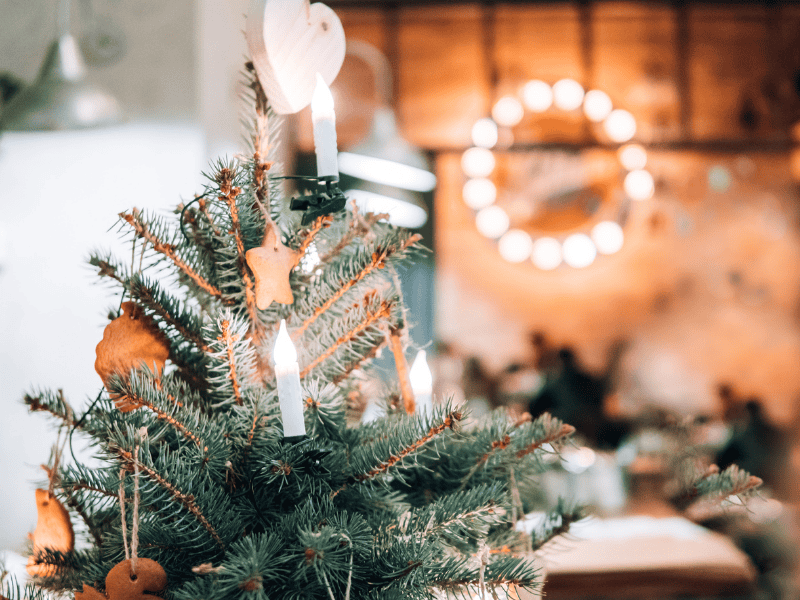
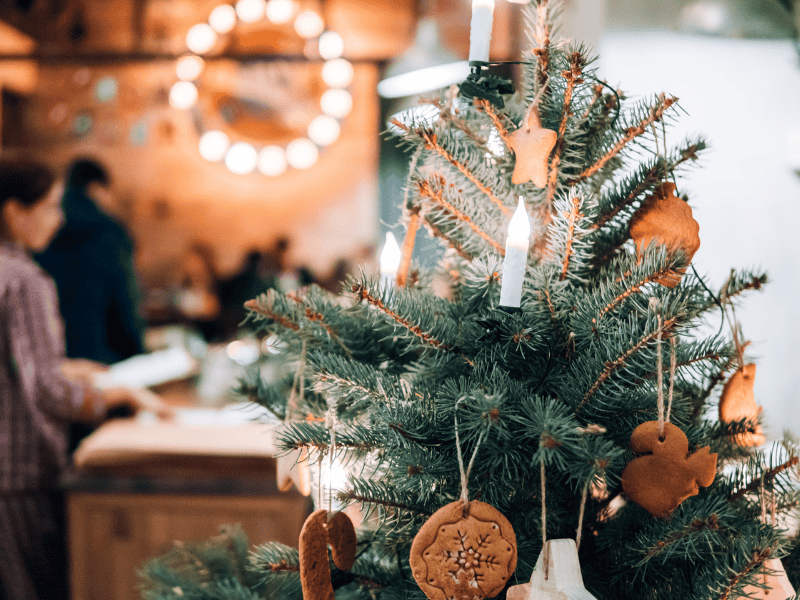
Fairy lights Maison Vejoll
 

If you want to understand what Champagne becomes when winter arrives, you need to visit in December. Not during the busy harvest season, not during the quiet depths of January, but in that peculiar month when this region of cathedrals and cellars transforms itself into something else entirely—a landscape of lights, wooden chalets, and steaming cups of vin chaud that punctuate the cold air with their spiced sweetness.

 
Fairy lights Maison Vejoll
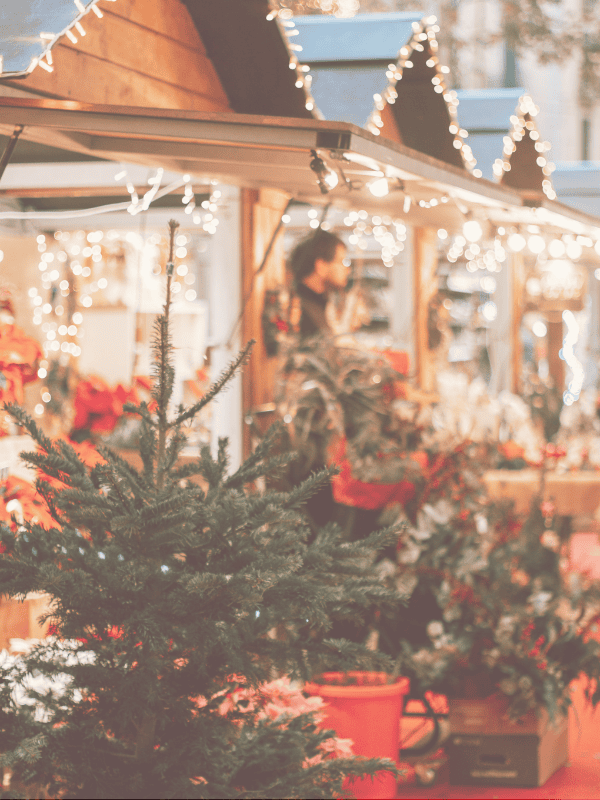
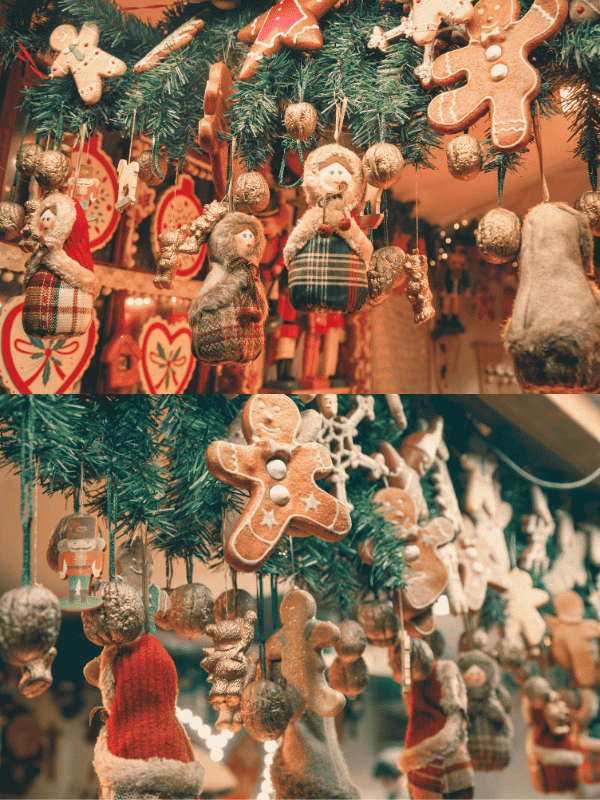
Christmas Market Maison Vejoll
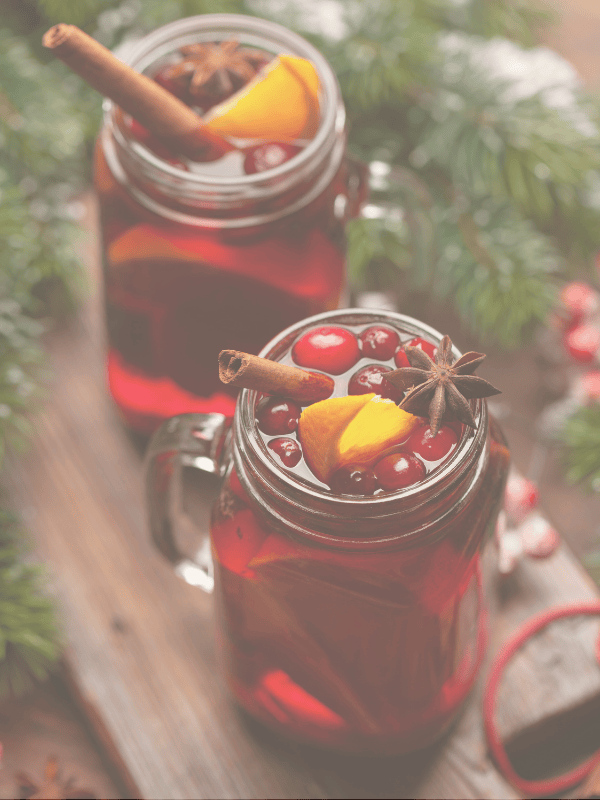
Vin Chaud Maison Vejoll
 

The Christmas markets here aren't Parisian transplants or generic holiday affairs. They're distinctly Champenois, shaped by the same terroir that produces the region's famous bubbles. Where else would you find champagne bars nestled between gingerbread stalls, or light shows projected onto UNESCO World Heritage cathedrals?


Reims: France's Third-Largest Christmas Spectacle

 
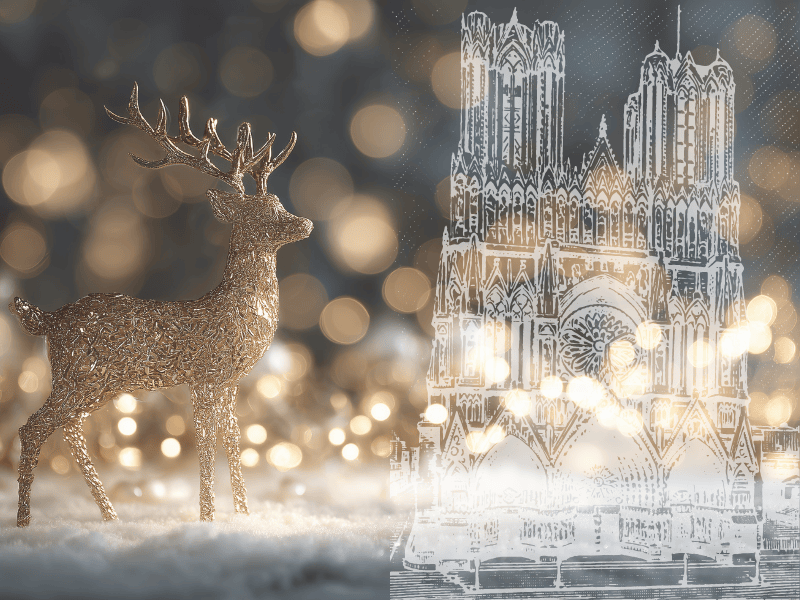
Reims Christmas Maison Vejoll

The Reims Christmas market has grown into something formidable—the third largest in France, which means something when you consider the competition. From late November through the end of December, one hundred and fifty wooden chalets spread across the Hautes Promenades Jean-Louis Schneiter, transforming the park into a miniature Alpine village that happens to sit in the heart of the Champagne region.

The market runs from November 26 to December 28, 2025, just a one-minute walk from Reims Centre station. The timing matters. Hours vary by day: Mondays from 2pm to 8pm, Tuesday through Thursday from 11am to 9pm, Fridays from 11am to 10pm, Saturdays from 10am to 10pm, and Sundays from 10am to 8pm.

What distinguishes this market from its counterparts elsewhere in France is its integration into the city's historical fabric. A light show takes place on the Gothic cathedral façade, lasting 25 minutes and designed to restore color to the cathedral's statuary. On Friday and Saturday evenings, these projections tell the story of French kings, transforming the stone into a canvas of medieval history.

 
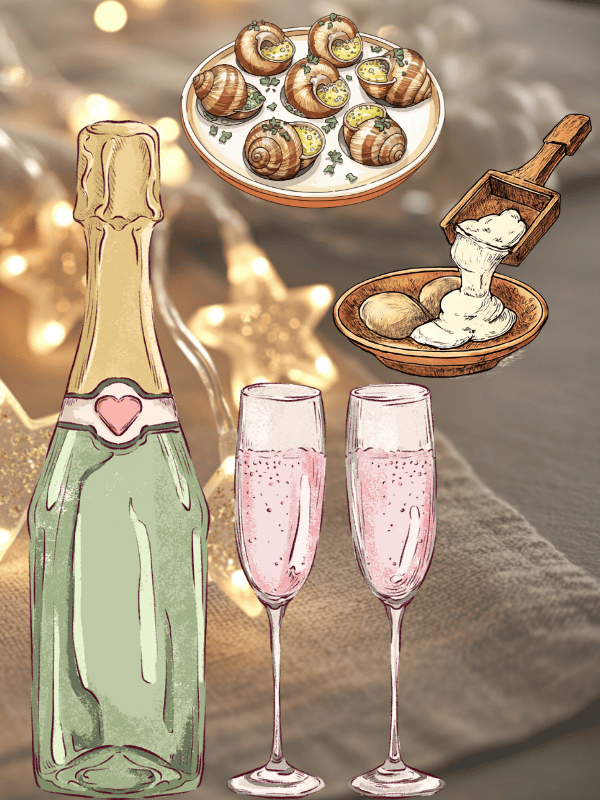
snails dish, raclette, champagne Maison Vejoll

The market itself follows a practical logic. Food and drink concentrate at one end—tartiflette, raclette, the inevitable escargots, and those champagne chalets where small producers offer their bottles at prices you won't find in Paris restaurants. The opposite end holds the gift stalls: jewelry from local artisans, ceramics, leather goods, items that require browsing rather than quick purchasing decisions.

The Children's Kingdom in the courtyard of the Tau Palace offers free animations including an automaton show, Santa's chalet, a little train ride, and a Christmas rope course. This isn't token entertainment—families return year after year for these specific attractions.

The Ferris wheel on Place Drouet-d'Erlon rises forty-two meters above the square. It offers a bird's eye view of the cathedral and the old town roofs. The cabins are heated and enclosed, which matters when December temperatures drop and the wind picks up across the flat Champagne plains.


For those staying nearby at Demeures Vejoll, the twenty-minute drive positions you perfectly. You can arrive before the crowds, spend the afternoon properly exploring both the market and the cathedral, stay for the evening light show, and return home without navigating the last trains or searching for parking in the city center.


Épernay: When Champagne Houses Open Their Doors


Épernay approaches Christmas differently. Rather than a massive single market, the town creates what it calls "Habits de Lumière"—literally "dressed in light." The event runs December 13-15, 2024, transforming the Avenue de Champagne into a pedestrian celebration.


This three-day festival represents something unusual: the grandes maisons—Moët & Chandon, Mercier, De Castellane—actually open their doors for evening celebrations. Their courtyards become champagne bars, their facades glow with projections, and for seventy-two hours, this normally sedate avenue fills with street performers, food stalls, and crowds moving from house to house.

The festival includes illuminations of the Avenue de Champagne and champagne houses, street performances, fireworks, a car parade, champagne bars, food and wine pairing workshops, activities for children, and cellar visits. The vintage car parade on Sunday morning draws collectors from across France, their pre-war automobiles gleaming as they cruise past the champagne houses.
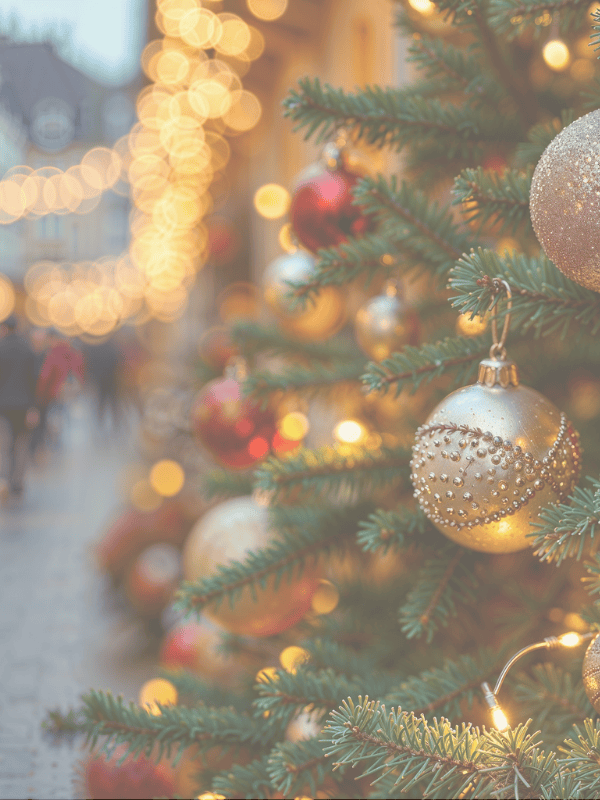
 

The "Habits de Saveurs" component deserves attention. Saturday morning features a culinary challenge where starred chefs create dishes paired with randomly assigned champagnes, followed by a young bakers' contest in the afternoon where children cook Christmas desserts with professional chefs. These aren't demonstrations—you can taste the results, learning how different champagnes interact with specific flavors.


Beyond Habits de Lumière, Épernay maintains smaller Christmas markets throughout December. Local creators' markets run on select weekends from 10am to 6pm on Place Bernard-Stasi, under a crystal tent along rue Saint-Thibault. These showcase regional artisans—the people who actually make the jewelry, pottery, and textiles rather than importing them.

 
Epernay, France Christmas Market Maison Vejoll
 
Christmas Market Maison Vejoll


The town also creates "Eper'neige," an ice-skating rink that transforms Place Hugues-Plomb into a winter sports destination. This isn't merely a rink—it's what Épernay playfully calls a "ski resort in Champagne," complete with a full calendar of family activities. The season opens at 2pm on Saturday, November 30, with the inauguration and lighting of the town beginning at 6pm—a magical show that marks the start of winter festivities.


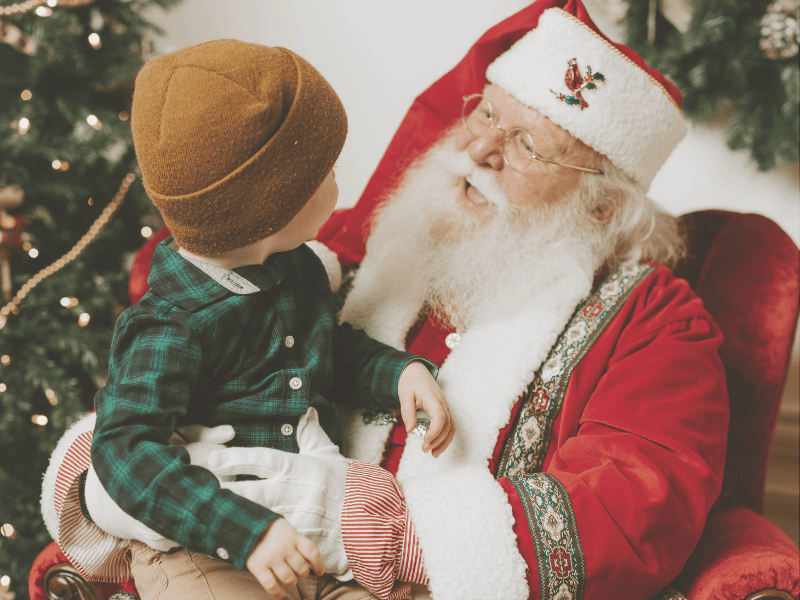
For families with children, the calendar of events deserves attention. Saint Nicholas Day takes place on Saturday, December 7, with celebrations beginning at 4pm, followed by photos with Santa Claus from 4pm to 6pm on Place Bernard-Stasi. Saint Nicholas, celebrated throughout France and particularly in the Grand Est region, is the patron saint of children and the historical figure who inspired our modern Santa Claus. This tradition predates Christmas celebrations, with Saint Nicholas traditionally bringing small gifts to well-behaved children on December 6th.

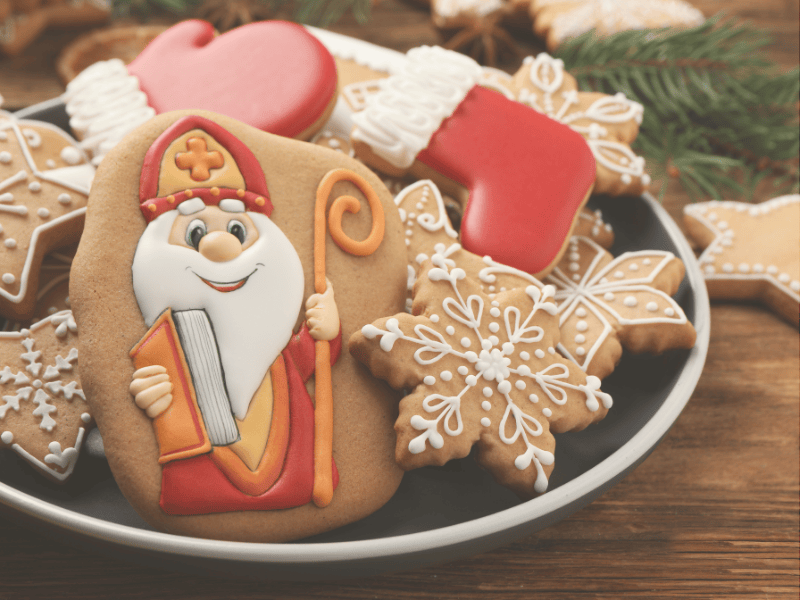
St Nicholas Christmas Market Maison Vejoll
 
Stan Claus Christmas Market Maison Vejoll

Later in the month, Santa Claus Day arrives on Saturday, December 21, starting at 3pm with the ceremonial presentation of the keys of the city to Santa Claus at the Hôtel de Ville on Avenue de Champagne. This creates the perfect opportunity for family memories and photos. Throughout December, the rink hosts special events: a DJ evening on Friday, December 20 from 6pm onwards, and a closing celebration on Saturday, January 4, featuring galette des rois at 4pm followed by a foam party on the ice rink at 6pm.


Châlons-en-Champagne: The Intimate Alternative

 
Christmas Market Maison Vejoll
 
Christmas Market Maison Vejoll
 
Christmas Market Maison Vejoll
 

Châlons-en-Champagne offers something different: scale. With around fifty booths and stalls, this market is modest in size, making it easy to navigate without queuing or jostling. You won't find the spectacle of Reims or the champagne-house glamour of Épernay, but you also won't spend your afternoon fighting crowds.


The market spreads through the old town streets: Rue de l'Hôtel de Ville, Rue d'Orfeuil, Rue des Fripiers, Rue de l'Abbé Lambert, Rue des Lombards, Rue des Poissonniers, Place Foch, and Place de la République. This distribution means you're not trapped in a single crowded square but instead wander through medieval streets where market stalls appear around corners.


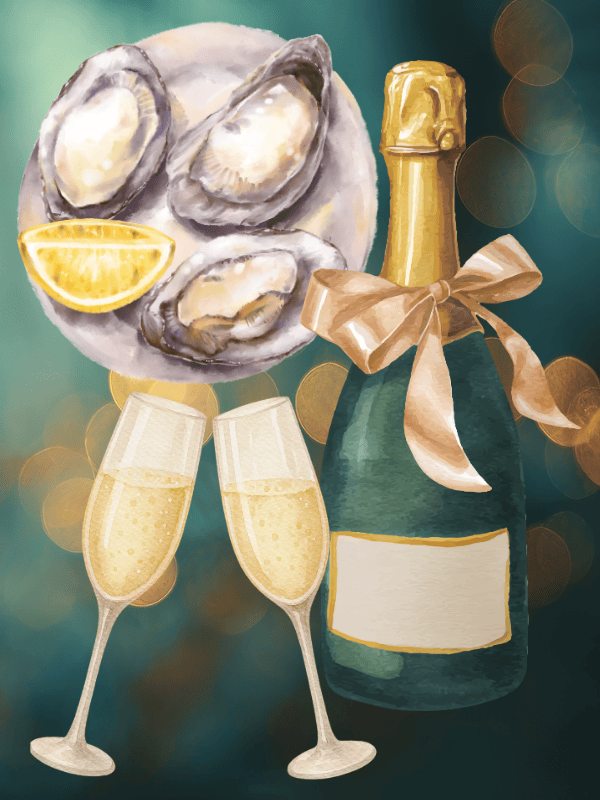
The offerings include handcrafted jewelry, hats, leather goods, clothing, ceramics, oysters, chocolates, pies, local specialties, and champagne. What makes Châlons work is its lack of pretension. This is where locals actually shop for Christmas gifts rather than where tourists come to photograph picturesque scenes.

Oysters, Champagne Christmas Market Maison Vejoll
 

Beyond the market itself, the town offers street performances, concerts, the festival of light, the Vents et Voix de Noël concert, a reconstructed farm at Les Caudalies, and Eau'dyssée and Métamorph'eau'ses boat trips. These boat rides through the canals continue even in December, offering a perspective on the town that walking tours miss entirely.


The market's timing and practical details matter for planning. Parking is available directly in the Galerie de l'Hôtel de Ville, placing you immediately in the market's center. For those based at Demeures Vejoll, Châlons represents the closest of these three cities—close enough for an afternoon visit or an evening stroll through the illuminated streets.


Ay-Champagne: The Hidden Discovery

 
Ay, Champagne Christmas Maison Vejoll

Just minutes from Demeures Vejoll, Ay-Champagne hosts something worth knowing about: the Christmas market at Pressoria. This isn't widely advertised in tourism guides, which makes it more interesting.


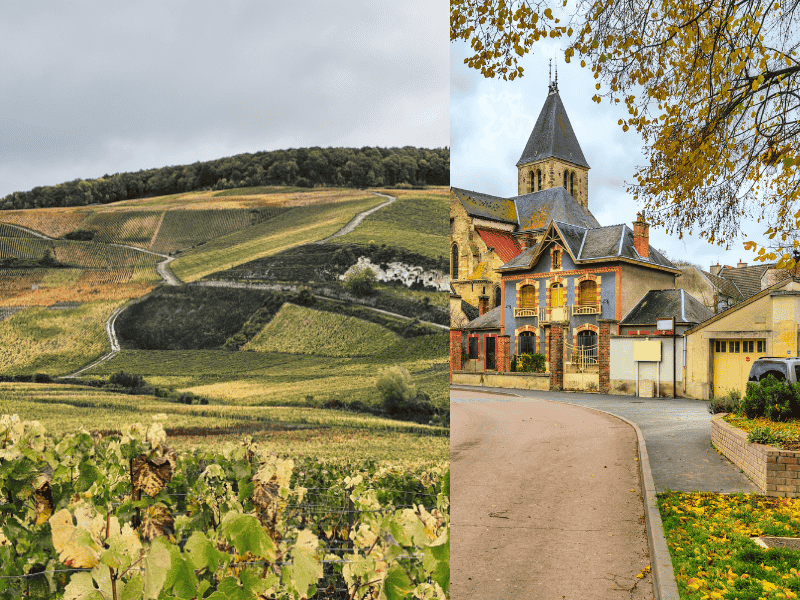
Pressoria occupies a former Pommery pressing center, transformed into an interactive champagne museum. The building sits at the foot of UNESCO World Heritage hillsides, surrounded by Grand Cru vineyards. The facility includes a 700-square-meter terrace with views over the Aÿ-Champagne vineyards.


During December, this terrace hosts a Christmas market that combines the expected wooden chalets with something harder to find elsewhere: context. You're not in a city square surrounded by historic buildings you'll never enter. You're in a working champagne village, surrounded by the actual vineyards that produce the wine being served at the market's champagne bar.


The market itself follows Pressoria's model of combining tradition with education. Local artisans display their work, food vendors offer regional specialties, and throughout, the emphasis remains on understanding where things come from—whether champagne, cheese, or handcrafted leather goods.

For visitors staying nearby, this market offers something practical: proximity without sacrifice. You can walk to Pressoria from many local accommodations, spend a few hours exploring both the market and the museum itself, then return home without the logistics of parking in Reims or timing the last train from Épernay.


The museum deserves its own visit beyond the Christmas market. The self-guided tour takes visitors through interactive rooms about champagne-making, suitable for both children and adults, ending with a tasting of two champagnes. It's the kind of experience that works well before or after a market visit, particularly on cold December afternoons when moving between indoor and outdoor spaces becomes its own kind of rhythm.


The Practical Reality of December in Champagne


December in Champagne means specific conditions. Temperatures hover between freezing and just above, the sky tends toward gray, and darkness arrives by five o'clock. This isn't the sun-drenched harvest season or the spring bloom of the vineyards. It's winter, genuine winter, and the region doesn't pretend otherwise.

The Christmas markets acknowledge this reality rather than fighting it. The wooden chalets provide wind breaks. The vin chaud and hot chocolate aren't decorative touches but necessary provisions. The heated Ferris wheel cabins in Reims, the champagne bars in Épernay's covered courtyards, the boat trips through Châlons' covered waterways—all recognize that December requires different strategies than summer tourism.

This seasonal honesty creates its own appeal. You're not experiencing a sanitized version of winter festivities but rather how a region that knows cold weather actually celebrates during its darkest month. The lights matter more when sunset arrives at five. The warm drinks become essential rather than atmospheric. The crowds that would be oppressive in July feel reassuring in December.

For those planning visits, the timing matters enormously. The Reims market runs the longest, making it reliable for any December weekend. Épernay's Habits de Lumière concentrates everything into three intense days, requiring advance planning but delivering experiences you won't find during the rest of the month. Châlons spreads its celebrations across December, offering flexibility. Ay-Champagne's Pressoria market provides the nearby option for those evenings when driving to Reims feels like too much ambition.

The connection between these markets and champagne production isn't merely geographic. The same families who harvest grapes in September staff market stalls in December. The buildings illuminated for Christmas light shows spent the rest of the year storing bottles in their cellars. The terroir that produces Grand Cru vineyards also shapes how this region celebrates winter—practically, elegantly, without excessive sentiment but with genuine warmth.

Christmas Maison Vejoll

If you're staying at Demeures Vejoll or elsewhere in the region, these markets offer more than holiday entertainment. They provide insight into how Champagne functions when the tourists leave, when the harvest ends, when the region turns inward and celebrates itself rather than performing for visitors. That authenticity—the sense that these events serve local needs first and tourist interests second—makes them worth experiencing beyond their obvious attractions.

The wooden chalets will be dismantled by January. The lights will come down. The Ferris wheel will move to another city. But for a few weeks in December, Champagne transforms itself into something both ancient and immediate: a place where celebrations grow from the same soil that produces the wine, where tradition adapts without losing itself, where winter isn't denied but embraced with hot chocolate, bright lights, and the understanding that some things are worth gathering for despite the cold.

 
Next
Next

Beyond the Cellars: Discovering Champagne's Hidden Autumn Treasures