La Vie en Rose: Champagne's Pink Revolution

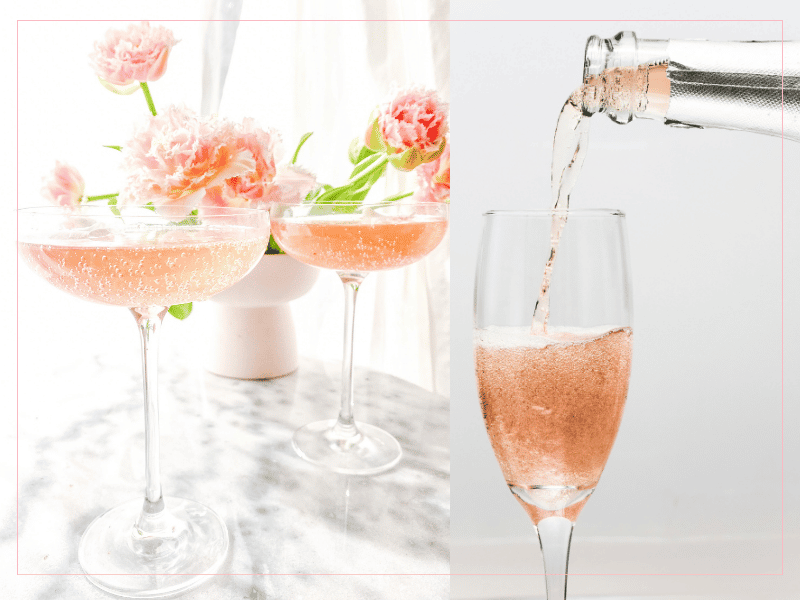
Champagne glasses and pink champagne
 

There's a reason every glass of pink Champagne feels like an occasion. Pale, blush, salmon, raspberry — rosé Champagne has spent nearly three centuries shifting from oddity to icon, and this July, as the Champagne countryside settles into its warmest months, it felt like the right moment to pour ourselves a glass and tell its story.


A Pink Wine Born by Accident (Or So the Legend Goes)

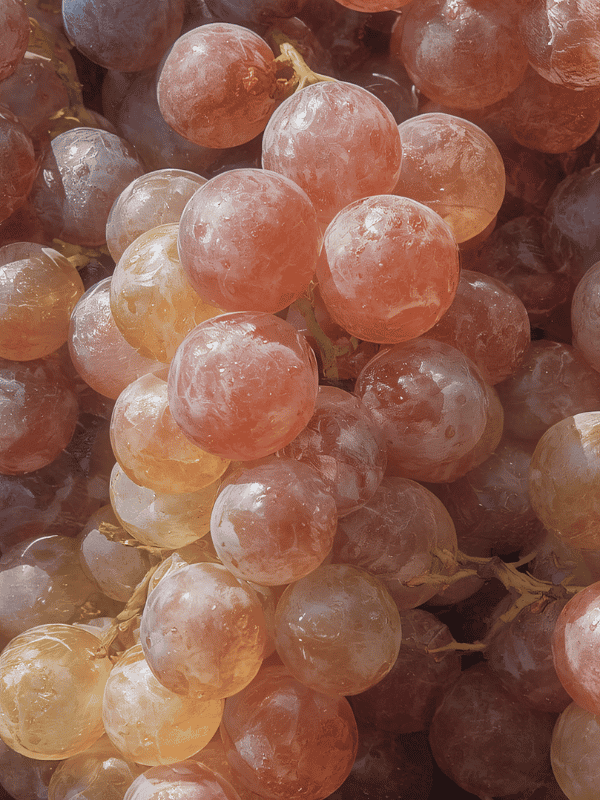
pink grapes

Champagne rosé's origin is part history, part folklore. One enduring story imagines an overworked cellar worker falling asleep on the job, leaving red grape skins steeping in clear juice for far too long. Another credits a moment of competitive pressure, when still red wines from Burgundy threatened to outshine Champagne as the toast of choice. A third, more romantic version puts Veuve Clicquot herself at the helm in 1775.

The truth, as ever, is a little less tidy. The earliest hard evidence of pink Champagne dates to 1764, found in the sales ledgers of Ruinart — the oldest established Champagne house in the world — describing a shipment that included dozens of bottles of what they called Oeil de Perdrix, “the eye of the partridge,” named for its pale blush colour. It would have been made the old way: red grape skins left in contact with the juice, deepening its hue by accident as much as design.

It took until 1818 for someone to make rosé reliably on purpose. Madame Barbe-Nicole Clicquot, the famous widow behind Veuve Clicquot, developed an easier method of turning Champagne pink — blending a touch of still red wine into the white base before the second fermentation. That technique, known as assemblage, remains the most common way rosé Champagne is made today, alongside the rarer, more dramatic saignée method, where grape skins macerate with the juice for hours before pressing.
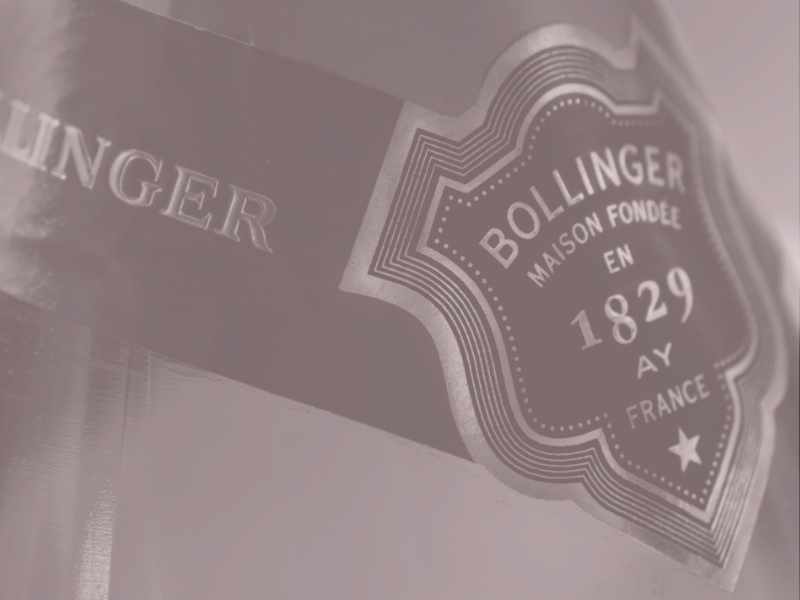
Bollinger champagne

Even with two centuries of refinement behind it, rosé has only relatively recently shaken off its reputation as a frivolous, faintly scandalous wine. Houses as established as Bollinger didn't release their first rosé until 2008 — a sign of how long pink Champagne lingered on the margins before becoming a serious category in its own right. And it has had its scandals along the way: nineteenth-century Parisian courtesans like La Païva and Cora Pearl made pink Champagne their drink of choice, reportedly served in everything from magnums to slippers. By the time Cary Grant and Deborah Kerr were sipping it on a transatlantic crossing in An Affair to Remember, pink Champagne's reputation for romance was already sealed.

Worth noting, too: not all “pink Champagne” is sparkling at all. A short drive south of Reims, in the village of Les Riceys, producers have been quietly making a still rosé under its own appellation since 1947 — a curiosity worth knowing if you ever come across a bottle with no bubbles at all.


What's a Bottle Actually Worth?

Rosé Champagne almost always carries a premium over its white counterpart — commonly somewhere around 20% more, reflecting the higher cost of the red base wine that goes into the blend. At the everyday end, a well-made non-vintage rosé from a respected house typically sits in the €55–€75 range, while prestige cuvées and vintage rosés can climb well beyond €200 a bottle. As with most things in Champagne, the extra cost buys real depth when it comes from the right house — and not much at all when it doesn't.


At the Table: Why Rosé Is the Most Food-Friendly Champagne

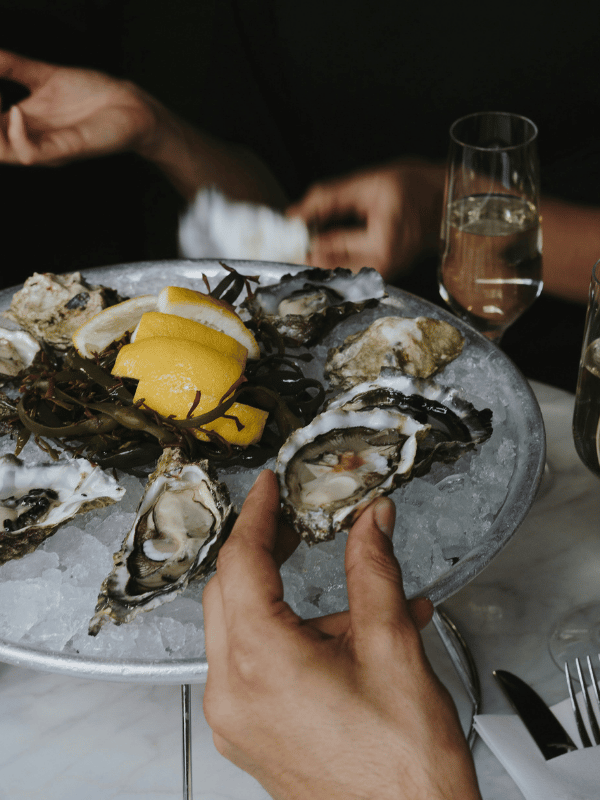
Platter of oysters, hands and champagne flute
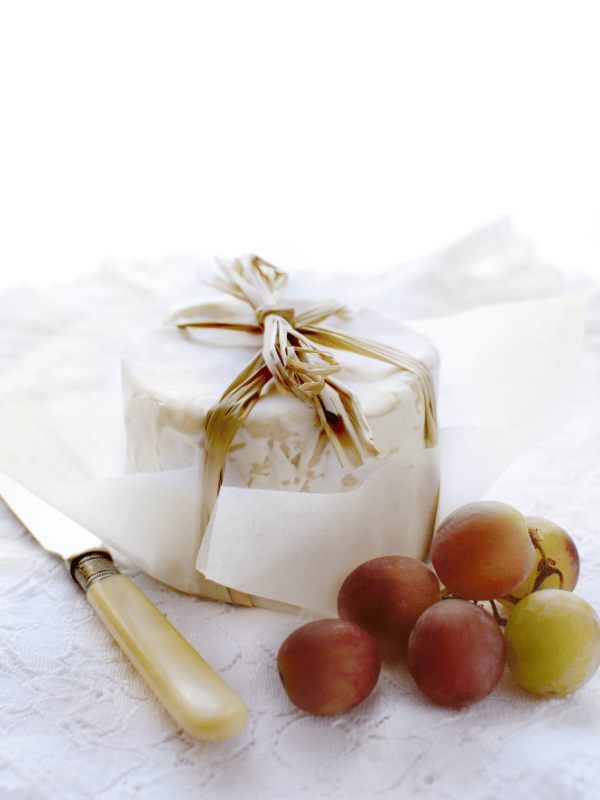
Chaource cheese and grapes
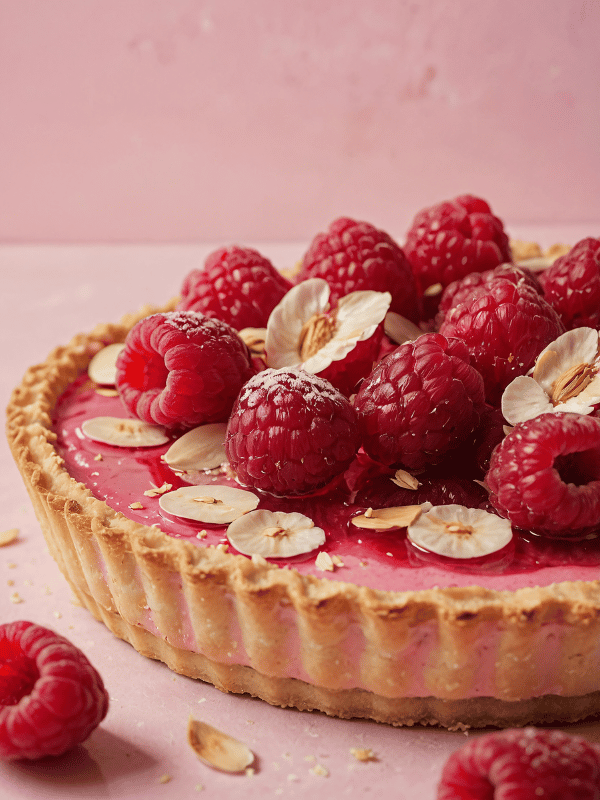
Raspberry tart
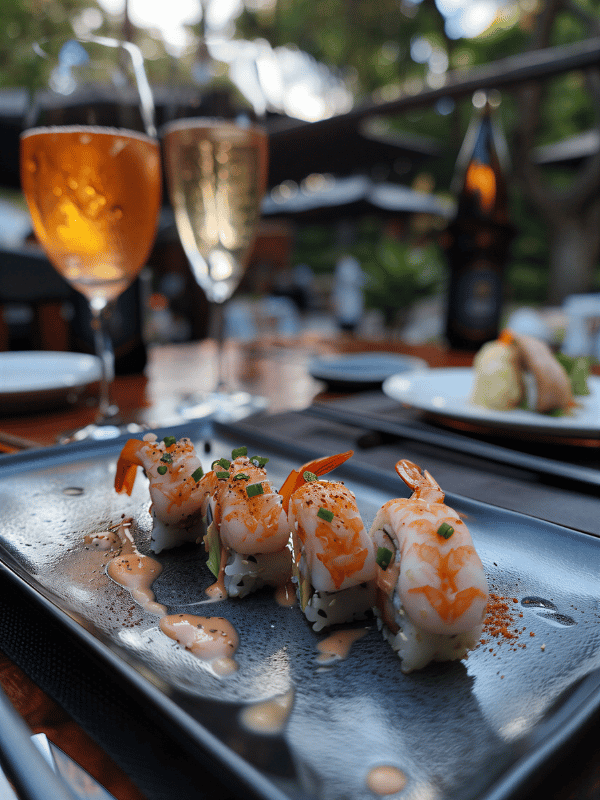
shushi platter and glasses of champagne

If white Champagne is the elegant aperitif, rosé is the one that stays for dinner. Its red fruit character and slightly fuller structure make it one of the most versatile wines at the table, equally happy alongside a seafood platter as it is next to a plate of duck.

A few pairings worth trying this summer:

•       Seafood and sushi — a drier, paler rosé works best here, its freshness cutting through anything iodine or briny.

•       White and red meats — a fuller rosé, with enough structure, stands up beautifully to roasted poultry or even duck breast with a raspberry reduction.

•       Cheese — a regional classic like Chaource, served with a little fruit preserve, makes for an easy, elegant match.

•       Red fruit desserts — strawberries, raspberries, a light tart — rosé's natural affinity with red fruit makes this one of its easiest pairings.

And for the quintessentially summer version of all this: strawberries and cream, the pairing immortalised at Wimbledon, is hard to beat with a glass of something pink on a warm afternoon.


Pink, Photogenic, and Everywhere

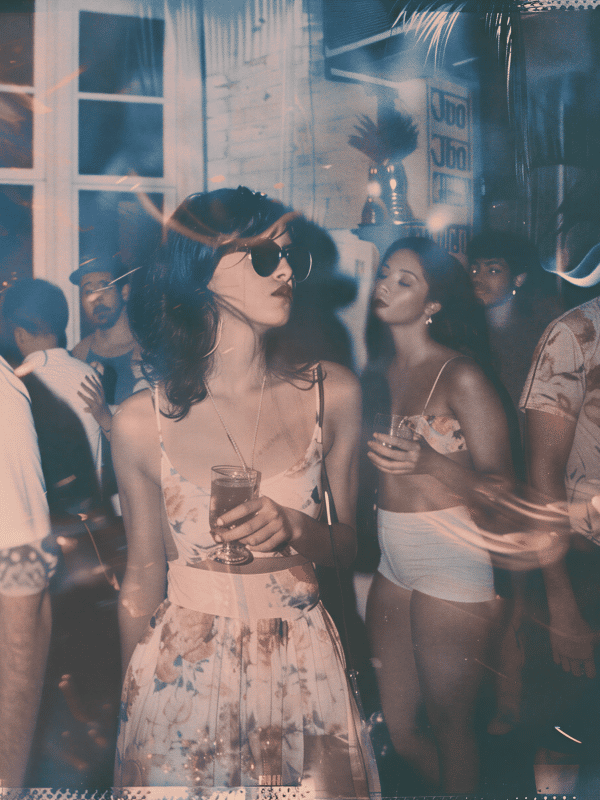
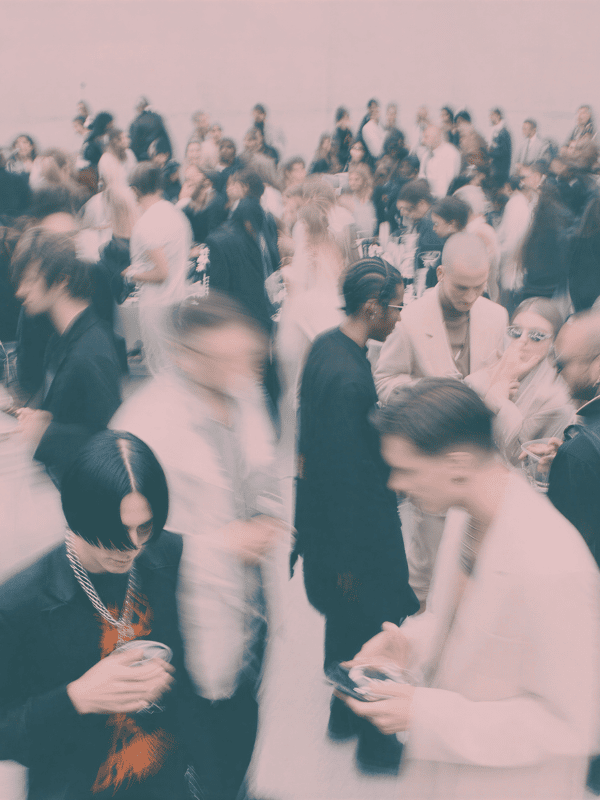
Party
Social party gathering

Part of rosé's modern rise has very little to do with what's in the glass. Its colour alone has made it one of the most photographed wines in the world — tailor-made for a sunlit terrace and a phone camera. The visual appeal of its vibrant pink hue has made it a natural fit for social media and branding, and the wine world has noticed: a wave of celebrities now have their own rosé labels, from Post Malone's Maison No. 9 to Lisa Vanderpump's eponymous rosé. Brad Pitt and Angelina Jolie's former Château Miraval estate built much of its reputation on rosé production, and tennis champion Roger Federer became a Champagne ambassador for Moët & Chandon in 2012.

Celebrity stakes have done plenty of the heavy lifting too — Jay-Z's involvement with Armand de Brignac helped position rosé Champagne as a modern status symbol — while major houses have leaned into limited editions, designer bottles, and high-profile partnerships to keep the category feeling exclusive even as it grows.

None of which changes the essentials: it still has to taste good. The marketing simply caught up with what the Champenois have known since 1764 — that a wine this pretty deserves an audience.


An Invitation in Pink

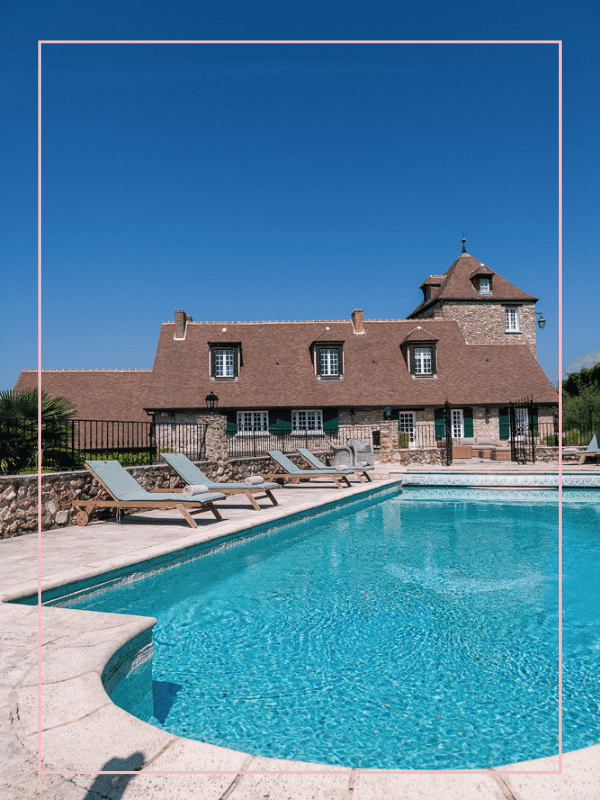
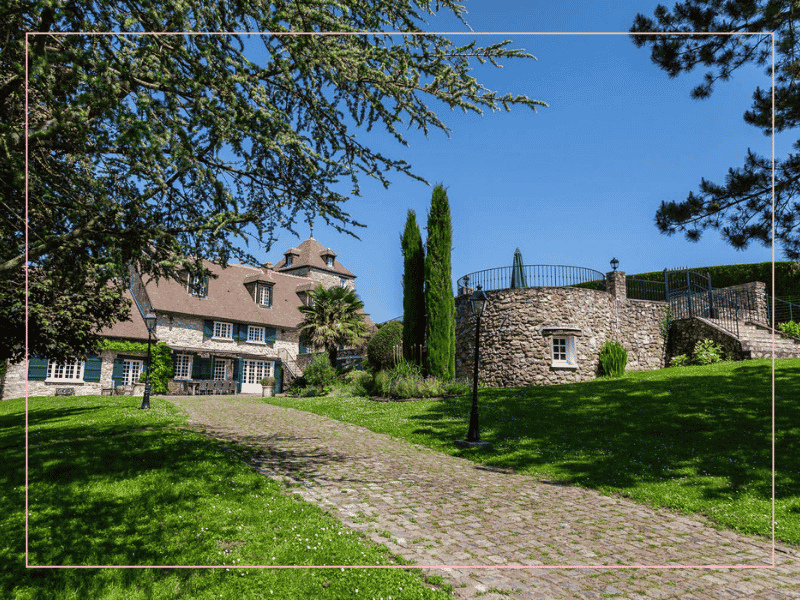
There's something fitting about telling this story from Maison Vejoll. A house surrounded by vines, a pool that catches the afternoon light just as well as any rosé in a glass, and long summer evenings made for exactly this kind of indulgence. Whether you're a confirmed rosé devotee or simply curious to taste your way through a bottle or two, Champagne in July has a way of making the case for itself.


Book your stay at Maison Vejoll and discover the Champagne countryside, glass in hand.


FAQ: Rosé Champagne

Is rosé Champagne sweeter than white Champagne?

Not necessarily. Sweetness depends on dosage, not colour — a Brut rosé is just as dry as a Brut blanc. Rosé's red fruit character can give an impression of sweetness, but most rosé Champagnes are made in the same dry styles as their white counterparts.

How is rosé Champagne actually made?

Mainly in one of two ways: blending a small amount of still red wine into a white base before the second fermentation (the assemblage method), or letting red grape skins macerate briefly with the juice to draw out colour naturally (the saignée method). Champagne is the only wine region in the world permitted to use the blended method.

Why is rosé Champagne more expensive than white?

The red base wine used in the blend is more costly to produce, and rosé Champagne is rarer and more technically demanding to make consistently. That extra cost is usually passed on as a price premium of around 20% over an equivalent white cuvée.

What food pairs best with rosé Champagne?

Its versatility is the whole point — lighter styles suit seafood and sushi, fuller-bodied rosés can stand up to duck or red meat, and its natural affinity with red fruit makes it a natural match for berries and fruit-based desserts.

Is rosé Champagne and rosé wine the same thing?

No. Rosé wine is still (non-sparkling); rosé Champagne goes through the same secondary bottle fermentation as any other Champagne, which gives it its bubbles. There is also a rare still pink wine made in Champagne itself — Rosé des Riceys — which is a different appellation entirely.

 
Next
Next

Along the Marne: A Different Way to See Champagne