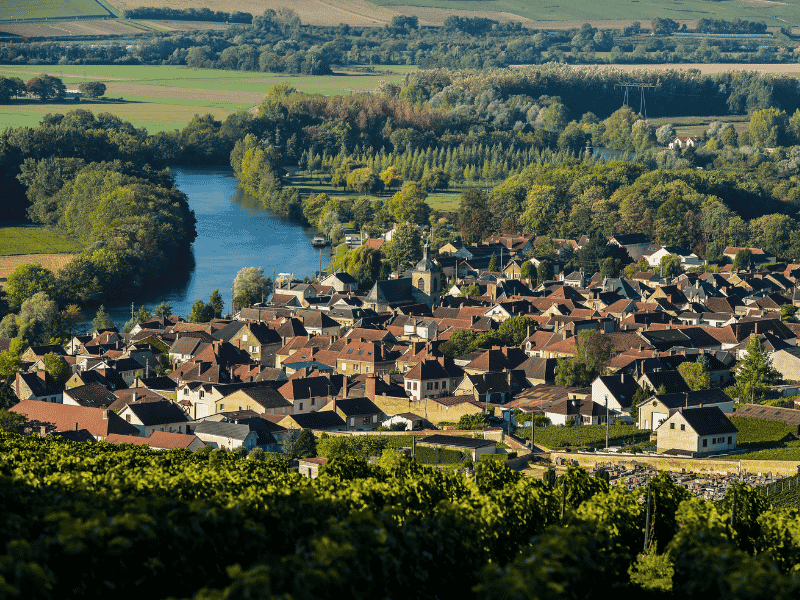
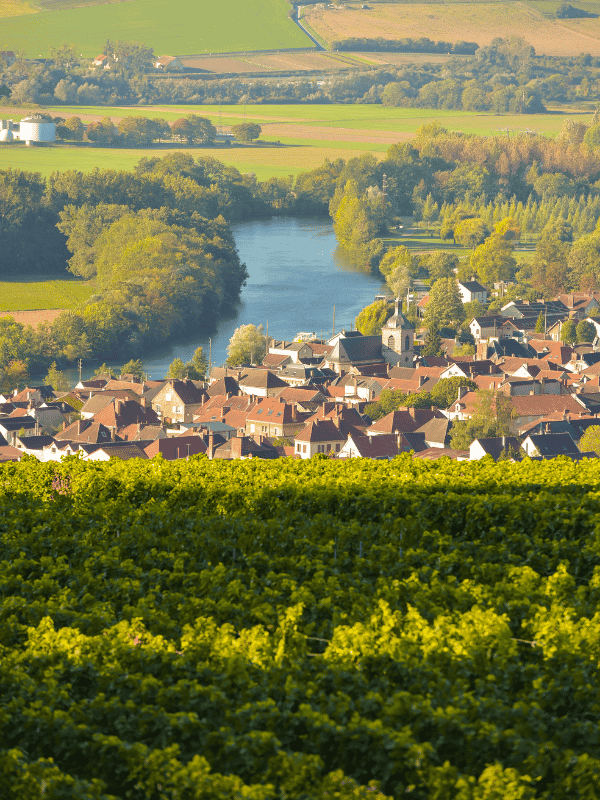
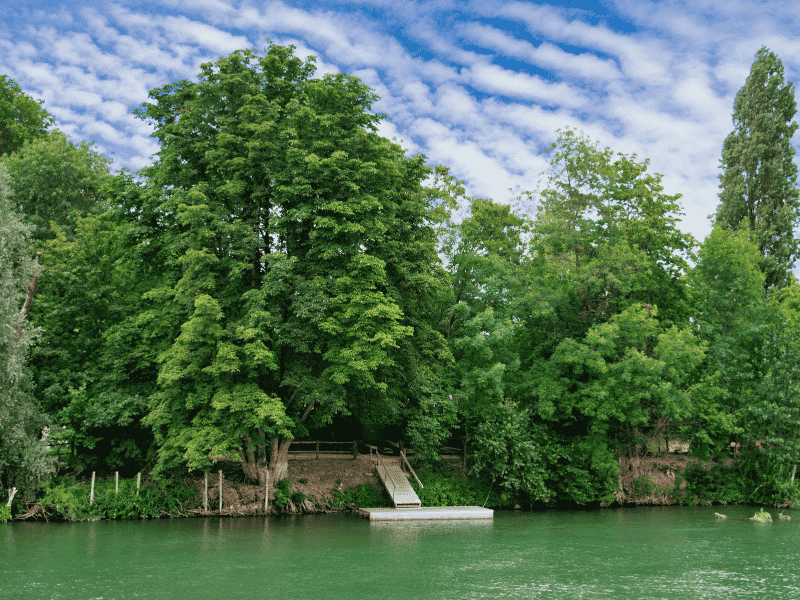
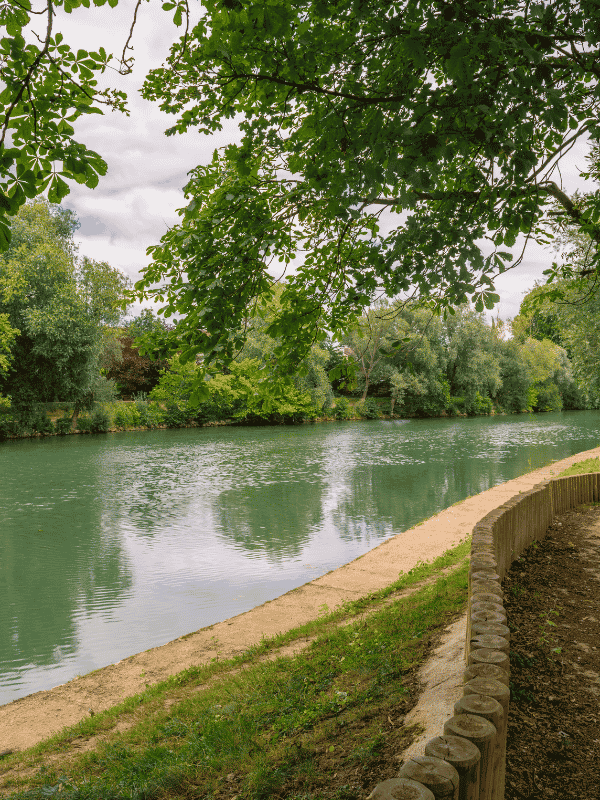
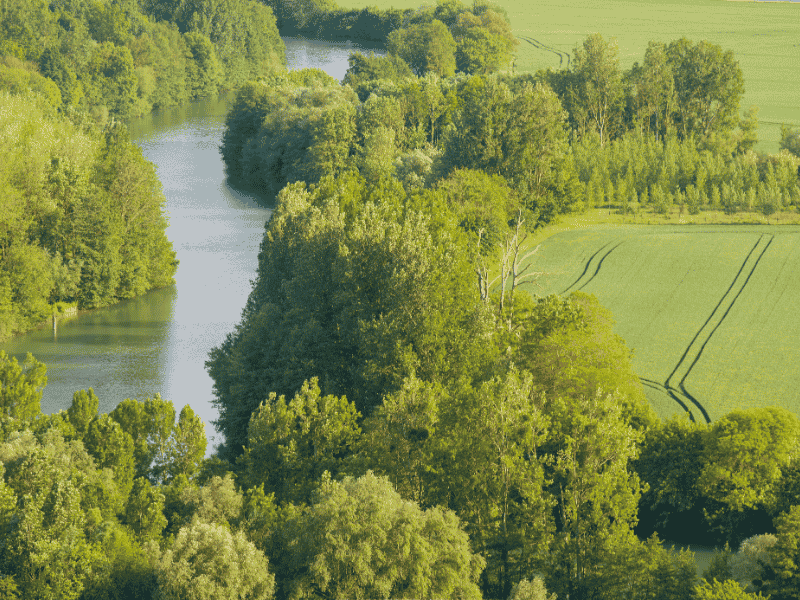
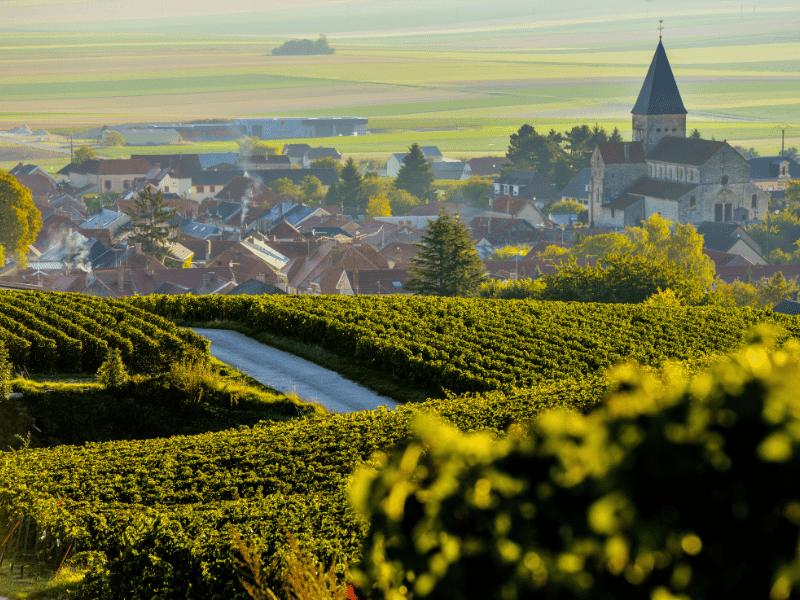
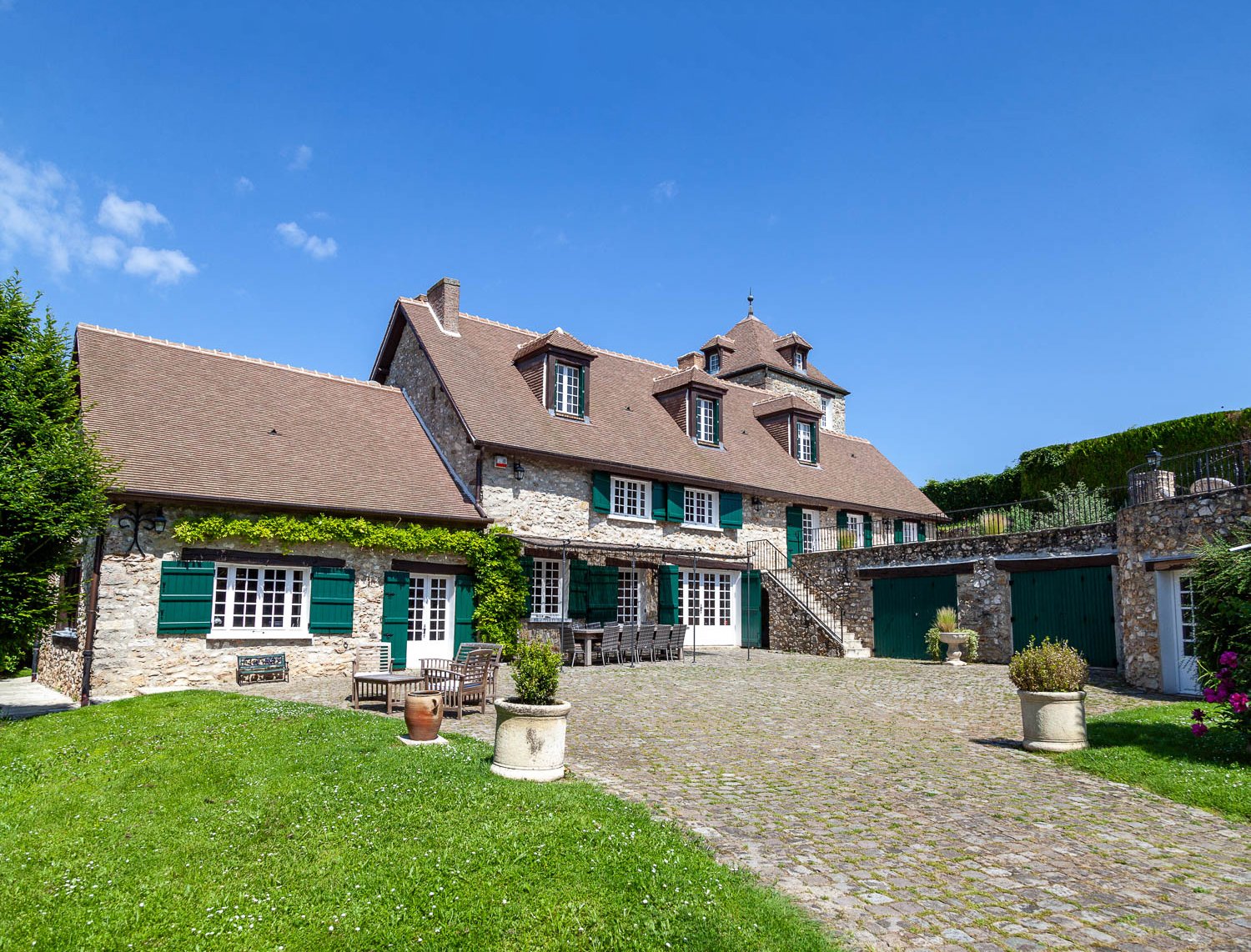
The Marne has been a working river for centuries. In the early thirteenth century, the Canal de Cornillon in Meaux was constructed as a 500-metre shortcut, bypassing a wide meander of the river — making it one of the oldest canals in France. By the nineteenth century, the Marne had become a vital trade route, connecting Paris with the rivers of eastern France, and a network of lateral canals was built to aid navigation. The most impressive of these is the 64-kilometre Canal Latéral à la Marne, which manages a height difference of more than 30 metres through 15 locks — an extraordinary feat of engineering that is still in use today.
The river has also inspired artists. Cézanne and Pissarro both painted its banks, drawn to the play of light on its surface and the soft, rolling countryside that frames it. There is something in the Marne's unhurried character — the way it winds rather than rushes, the way it reflects the sky and the vines — that has always appealed to those who take the time to look.
But the Marne carries darker history too. The countryside along its banks was the scene of some of the most significant and devastating battles of the First World War. Château-Thierry, a town at the heart of the river valley, was at the centre of the last major German offensive of 1918 — the Second Battle of the Marne — at a cost of thousands of lives on all sides. Today, war cemeteries and memorials punctuate the valley, and the remains of trenches and shell craters in the woods serve as a sobering reminder of what this peaceful landscape once witnessed. The Aisne-Marne American Cemetery near Belleau Wood, maintained by the American Battle Monuments Commission, is among the most moving memorials in all of France.
It is this layering of history — the artistic, the agricultural, the military, the architectural — that makes the Marne so rich a river to travel. Every bend brings something new.