Champagne on Ice: The Art of the Summer Aperitif
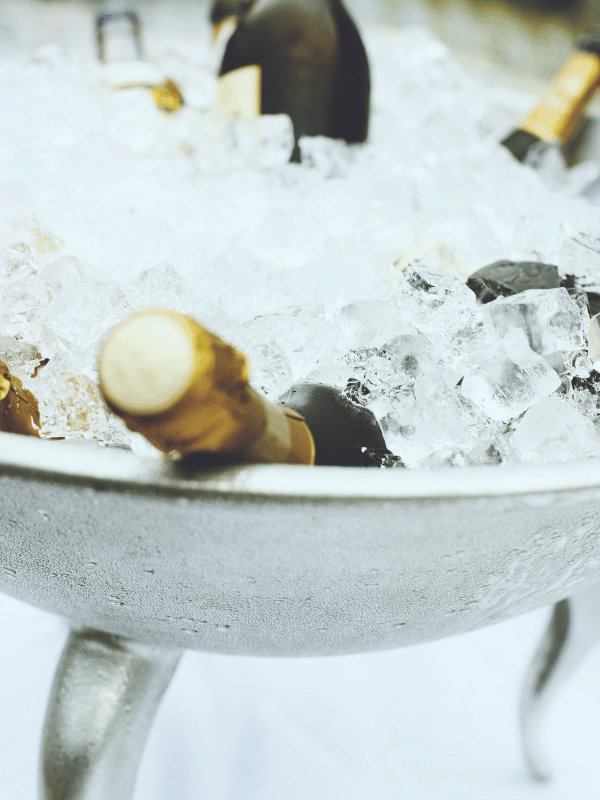
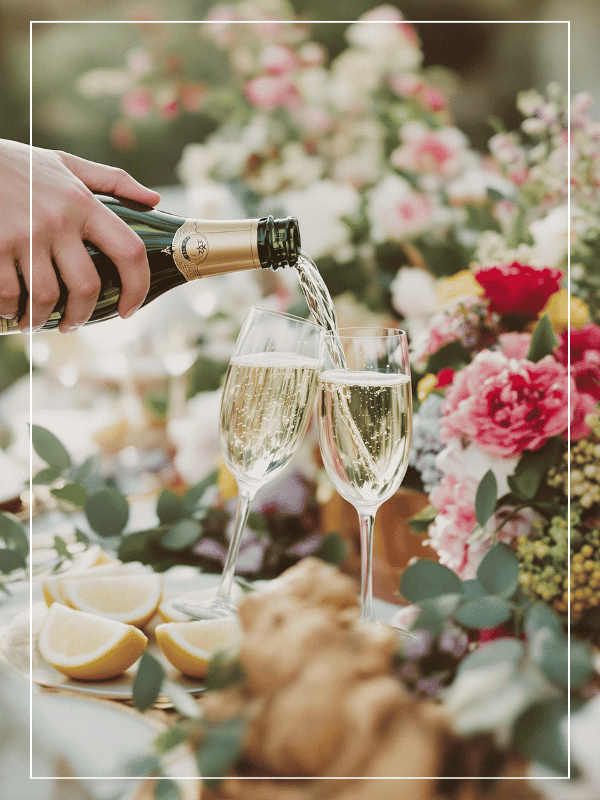
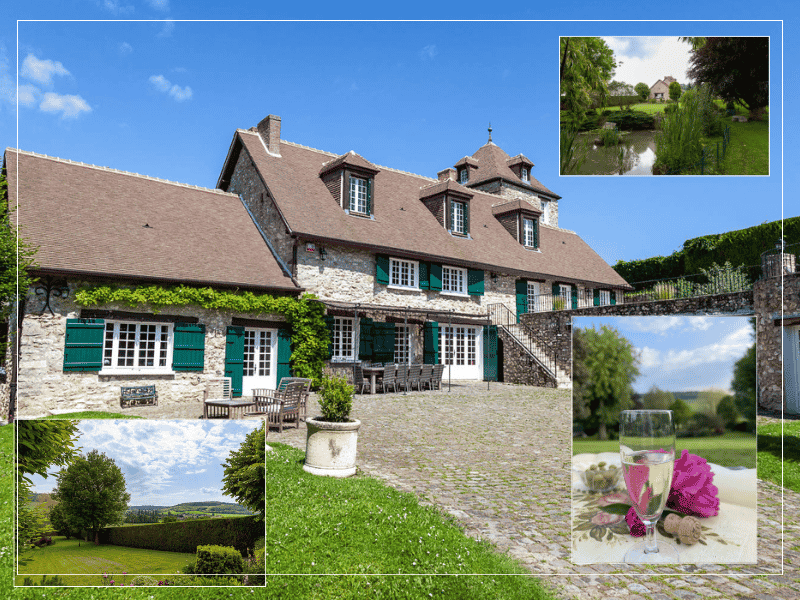
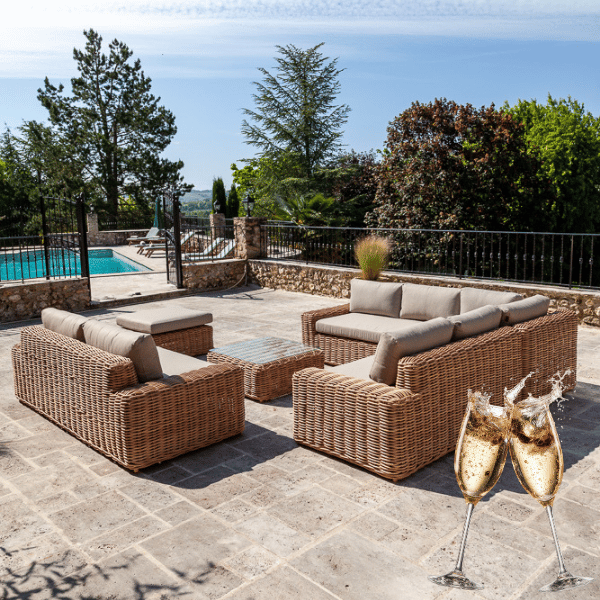
There is a particular kind of light that settles over the vineyards of Champagne in August — long, golden, unhurried. It falls across the rows of Chardonnay and Pinot Noir just as the day begins to soften, and it seems to know exactly what it's for: an invitation to step outside, uncork something cold, and let the evening arrive slowly. At Maison Vejoll, this is our favourite hour. The terrace catches the last of the sun, the glasses are chilled, and somewhere between the end of the afternoon and the start of dinner, a small and very French ritual takes place. It's called the apéritif, and it may be the most delightful custom this region has ever perfected.
What an Apéritif Really Means
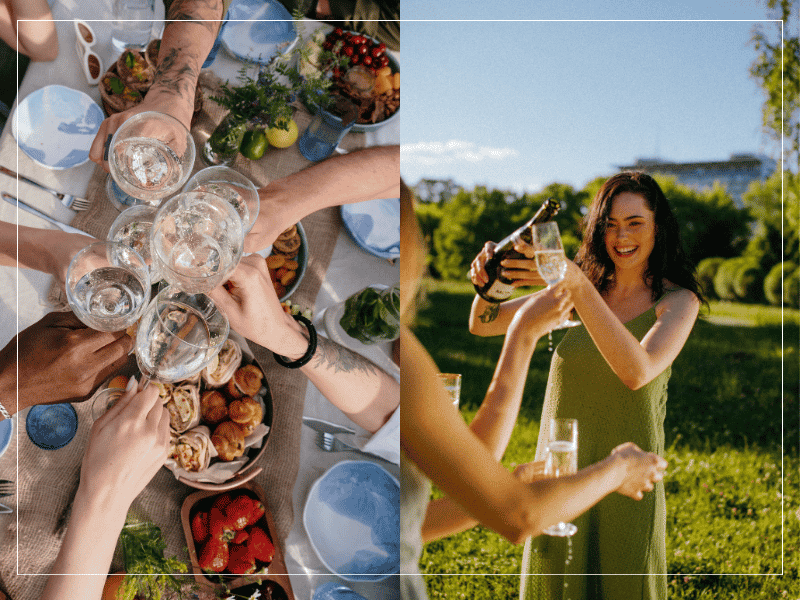
Ask most French families what the apéritif is, and you'll rarely get a tidy definition. It isn't really a drink, or a snack, or even a set time on the clock — it's closer to a mood. Usually beginning around six in the evening, the apéro (as it's affectionately shortened) is the gentle hinge between the day's business and the evening's ease. It's the moment friends gather on a terrace, a couple pauses before starting dinner, or a family lingers around a table a little longer simply because the light is nice and no one wants to go inside yet.
The word itself has a lovely, precise history. Apéritif comes from the Latin aperire, "to open" — by way of the French apéritif, meaning quite literally "opening." Historically, the term referred to something that opened the appetite before a meal, awakening the palate for what was to come. But over centuries in France, it has come to mean something broader: an opening of the evening itself. A small pause before the main event, savoured for its own sake.
What makes the apéritif so enduring — and so easy to fall in love with — is how little it actually requires. There's no need for matching china, an elaborate menu, or hours in the kitchen. A bottle chilling in its bucket, a bowl of something salty and crisp, a candle if the evening calls for one, and a bit of good company are more than enough. The French have a genius for making effortlessness look elegant, and nowhere is that more true than at apéro hour.
Why Champagne Belongs at This Hour
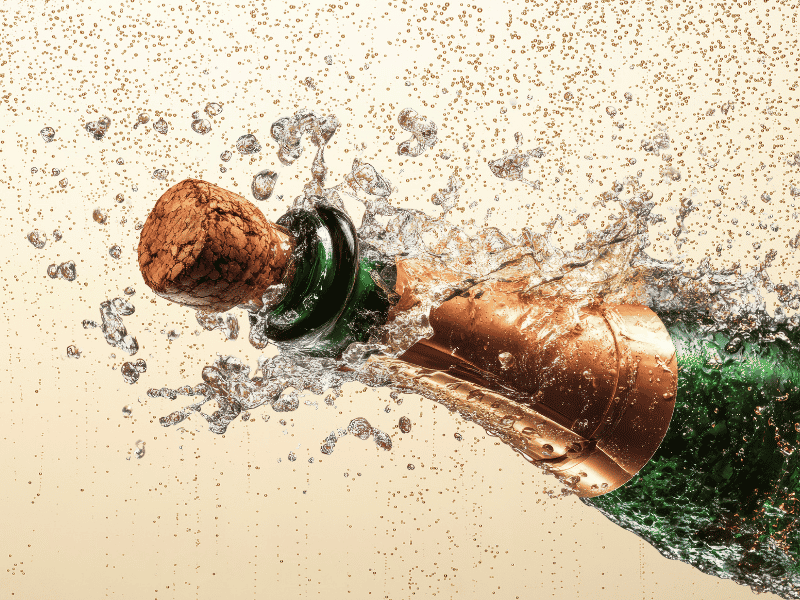
Of all the drinks that might open an evening, Champagne has a particular claim to the role — and it isn't just about celebration or occasion. Champagne is, quite simply, one of the most food-friendly wines in the world, thanks to two qualities baked into its very character: acidity and effervescence.
Champagne grapes are grown in a notably cool climate and harvested earlier than grapes destined for still wine, which gives the finished wine a bright, mouth-watering tartness. That acidity does real work at the table — it cuts cleanly through rich or salty foods, cleanses the palate between bites, and never loses its shape next to acidic dressings or citrus, the way many still wines can. Add to that the bubbles themselves, which heighten the sensation of freshness with every sip, and you have a wine built almost perfectly for the grazing, unhurried rhythm of an apéritif — where the point isn't a single perfect pairing, but a whole procession of small, varied bites.
For a summer evening in particular, the style of Champagne you reach for matters. Wines with little to no dosage — extra-brut and brut nature, with just a whisper of sweetness or none at all — offer an immediate, bracing freshness that suits warm weather beautifully; their crispness and lively bubbles let the region's chalky, mineral terroir shine through without any sweetness to soften it. A Blanc de Blancs, made purely from Chardonnay, brings something a little more ethereal: notes of white flowers, citrus, sometimes a flash of flint, and a long, clean finish that make it the natural partner for seafood and delicate bites. And for something a touch more festive, a rosé — fruitier, rounder, often built around red berries — is the most versatile choice at the table, equally happy alongside a cheese board or something a little richer off the grill. None of these needs to be a rare or prestigious bottle; what matters most, in the height of summer, is choosing the right style for the mood you're setting.
However you choose it, remember that Champagne is at its best served cool but not glacial — somewhere between 8°C and 10°C is the sweet spot, cold enough to feel refreshing without muting the aromas. And where possible, reach for a tulip-shaped glass rather than a flute; it gives the wine room to open up and show what it can really do, in keeping with that original meaning of the word.
What to Serve Alongside
The great secret to a beautiful apéritif spread is restraint. Champagne's fine bubbles and bright acidity are easily overwhelmed by anything too rich, too greasy, or too heavily spiced — the classic bowl of salted crisps or roasted nuts, tempting as it is, tends to flatten the wine's more delicate aromas rather than complement them. The better approach is to think light, salty, and a little crisp: food that lets the bubbles do their work rather than fighting them for attention.
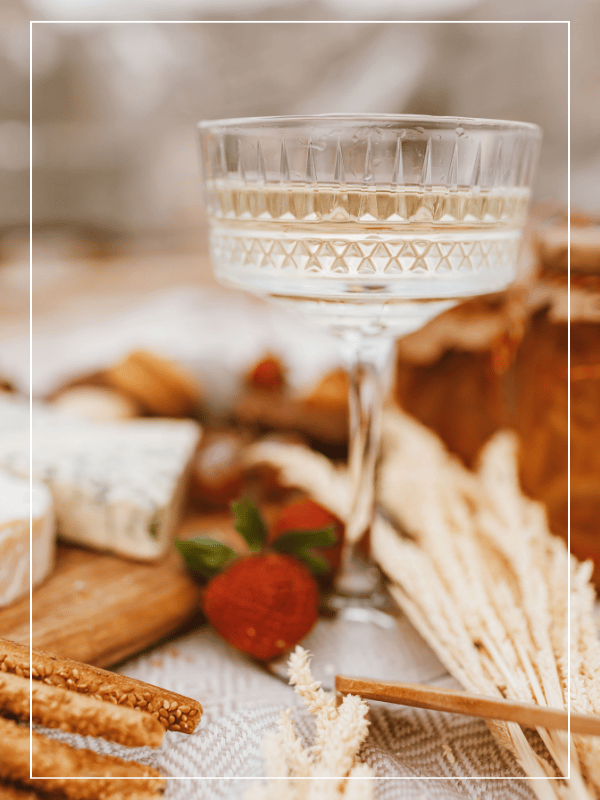
This is where the region's own traditions come in handy. A soft, nutty wedge of Comté or Beaufort is a natural match, its savoury depth playing beautifully against the wine's freshness. A simple charcuterie board — thin slices of dry-cured ham, perhaps a peppery saucisson — brings a little rustic character that a rounder, more full-bodied Champagne style can stand up to elegantly. For something a touch more refined, oysters or ribbons of smoked salmon are the apéritif's most classic companions, their briny, delicate flavours practically made for a crisp glass of Blanc de Blancs.
And if you feel like cooking a little yourself, Maison Vejoll suggests a tray of warm, golden, cheese-flecked gougères — not native to Champagne, but a natural companion to it nonetheless, and one of the simplest ways to bring the evening together.
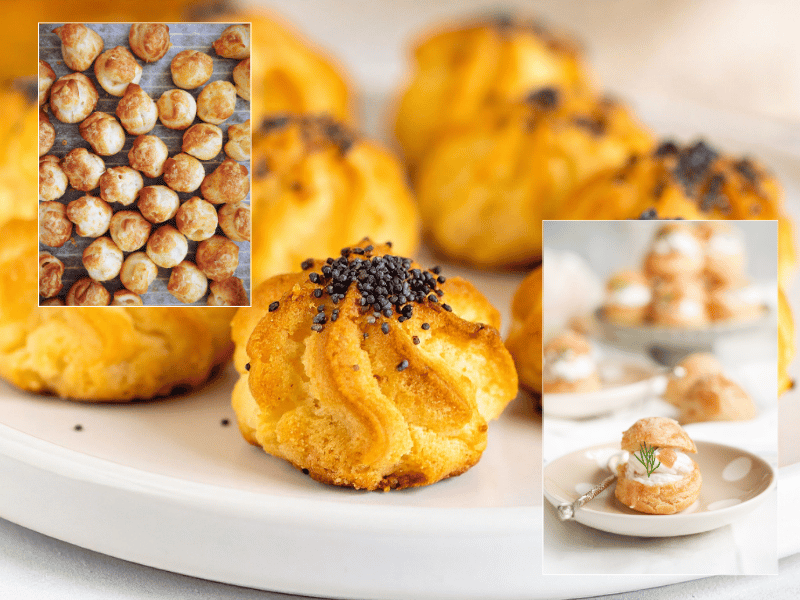
If you want to build out a fuller spread, keep the same instinct: crudités with a light dip, a few marinated olives, thin toasts topped with something delicate rather than heavy. Let each element stay small enough for one or two bites, so guests can move easily from the cheese board to the charcuterie to the gougères without ever feeling like they've sat down to a meal. That, after all, is the whole point — the apéritif is an overture, not the main performance.
Gougères: The Classic Companion
Gougères actually hail from just next door — Burgundy, where towns like Tonnerre and Flogny-la-Chapelle still claim them as their own. But it didn't take Champagne long to adopt them at apéritif hour, drawn in by that instinctive pairing of warm, cheesy pastry against something cold and effervescent. Wherever they began, a tray of gougères fresh from the oven remains one of the simplest and most satisfying things to set beside a chilled glass of Champagne — and easy enough to make at home.
Ingredients (makes about 24)
250 ml water
100 g unsalted butter, cubed
½ teaspoon salt
150 g plain flour
4 large eggs
150 g Gruyère or Comté, grated, plus a little extra for topping
A pinch of freshly ground black pepper
Optional: a pinch of nutmeg, or a teaspoon of Dijon mustard, for depth
Method
Preheat your oven to 200°C (fan) and line two baking trays with parchment paper.
In a saucepan, bring the water, butter, and salt to a gentle boil, making sure the butter has fully melted. Remove from the heat and tip in the flour all at once, stirring vigorously with a wooden spoon until the mixture forms a smooth ball that pulls cleanly away from the sides of the pan. Return the pan to low heat for a minute or two, stirring constantly, to dry the dough out slightly — this helps the gougères puff properly in the oven.
Take the pan off the heat and let the dough cool for a few minutes. Then, beating well between each addition, incorporate the eggs one at a time — the dough will look like it's splitting at first, but keep going and it will come back together into a smooth, glossy paste. Fold in the grated cheese, pepper, and mustard or nutmeg if using.
Using two spoons or a piping bag, drop small mounds of dough — about the size of a walnut — onto your prepared trays, leaving a couple of centimetres between each. Scatter a little extra cheese over the top of each one.
Bake for 20–25 minutes, until deeply golden and well puffed. Resist the urge to open the oven door too early, or the gougères may deflate. They're best served warm, within half an hour or so of coming out of the oven, alongside a well-chilled glass of Champagne.
One of the loveliest things about gougères is how easily they invite a little personal touch. Swap in Comté for a nuttier finish, add finely chopped chives or thyme from the garden, or fold in a few crumbles of crispy bacon or lardons for something heartier. Once you have the base technique down, the variations are really only limited by what's in your kitchen.
Setting the Scene: A Frozen Floral Ice Bucket
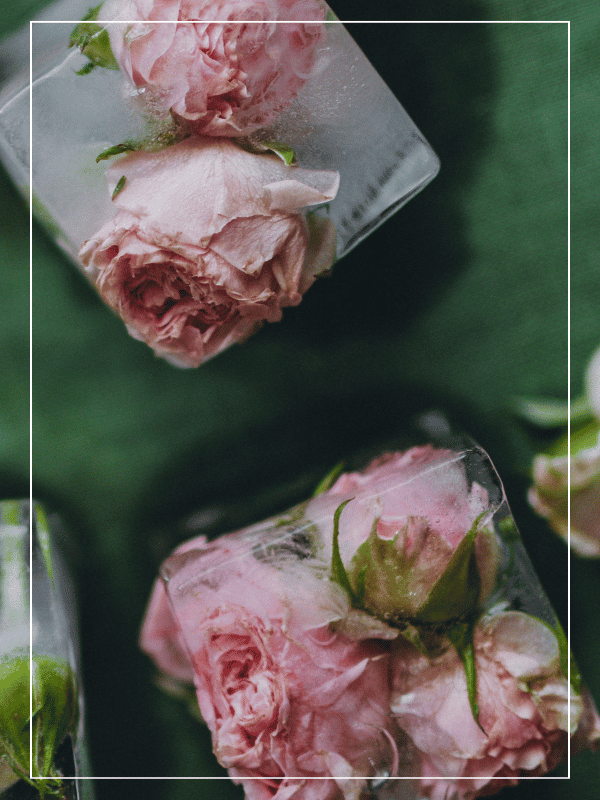
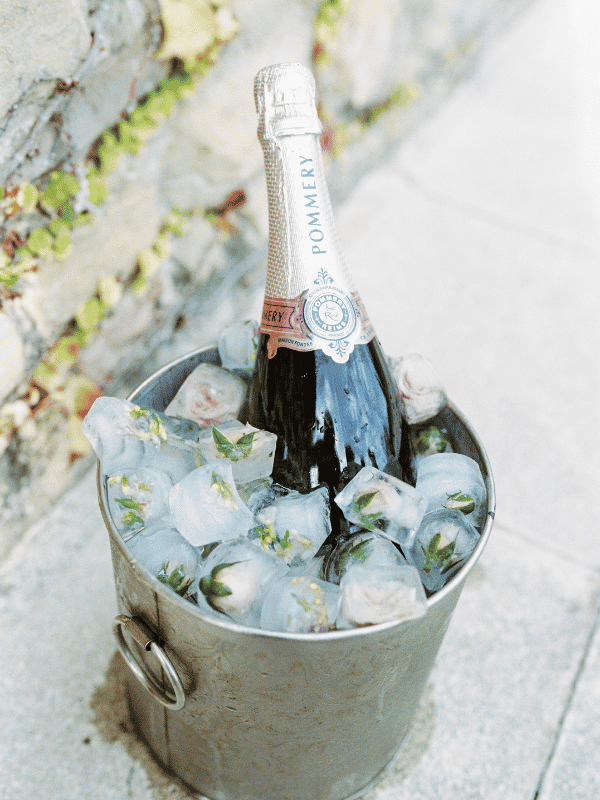
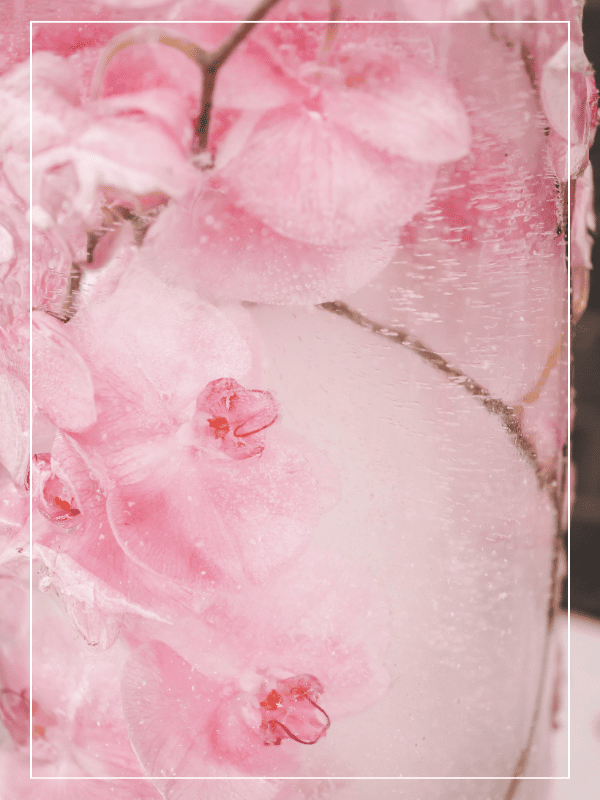
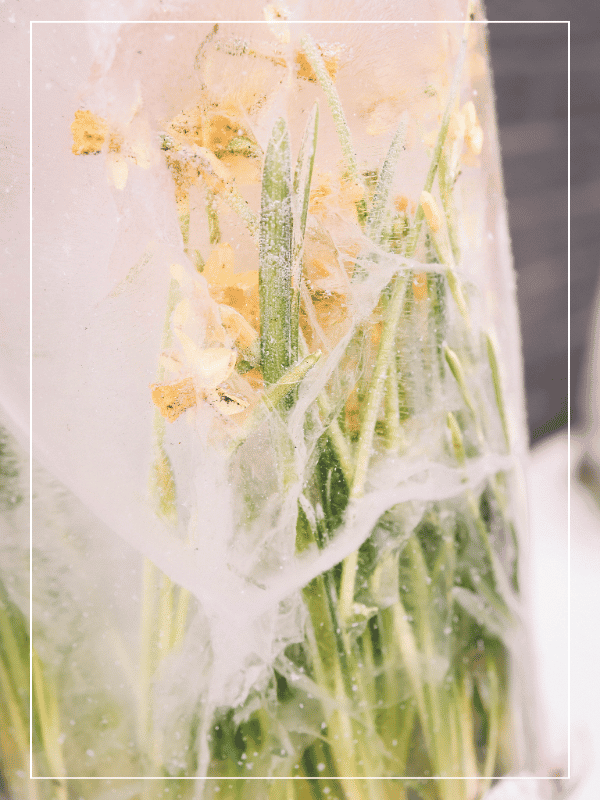
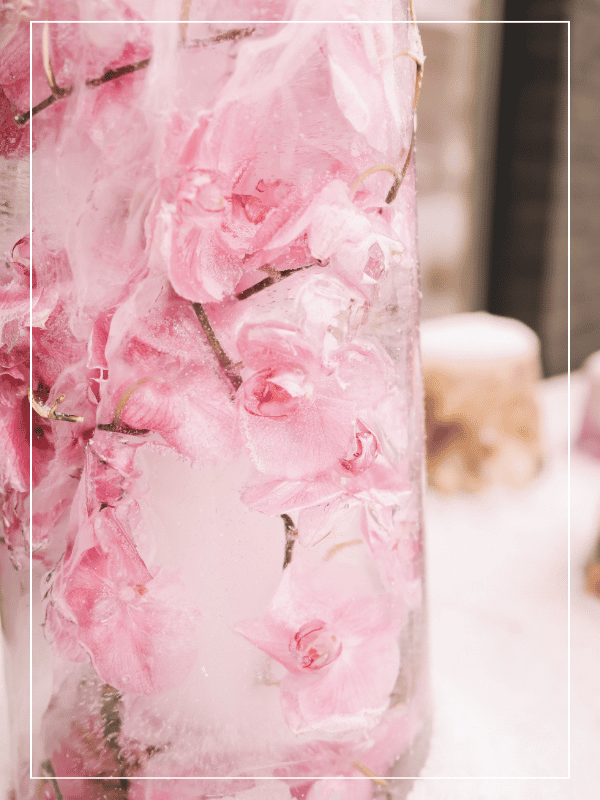
There's something wonderfully theatrical about a bucket of ice with flowers frozen inside it — a small piece of garden party magic that costs almost nothing and takes only a little patience. At Maison Vejoll, we love the idea of bringing a few blooms from the local markets or a nearby fields into the evening this way, letting the terrace table become part of the scenery rather than just where the drinks happen to sit.
What you'll need
One ice bucket
One empty bottle (a spare Champagne or wine bottle works well)
Fresh flowers and a little greenery — whatever is blooming in the garden
Distilled water, for the clearest ice